What Fall Creek Road Buyers Are Really Paying For South of Wilson
August 6, 2026
August 6, 2026
The number that stopped me this year was 14. That is how many transactions closed south of Wilson along Fall Creek Road through mid-2026, against 5 in the same window a year earlier, according to Bomber Bryan's Q2 2026 market report. In a valley where inventory is chronically thin and Wilson carries the highest median list price at roughly $3.6 million, a near-tripling of activity in one corridor is not noise. It is a signal that buyers have found something the rest of the market has not yet re-priced.
The easy read is that these buyers are settling. Westbank estates now regularly clear $15 million, so a Fall Creek address must be the consolation. That read is wrong. The Fall Creek Road buyer is not trading down. They are buying a covenant structure that lets a small deed behave like a large one, and they are paying a price that the recorded acreage on the tax roll cannot explain.
Most Jackson Hole buyers evaluate parcels the way they evaluate parcels anywhere else. Lot size, frontage, view corridor, water rights on the deed. That framework misreads Crescent H Ranch, which is the community anchoring most of the corridor's recent volume.
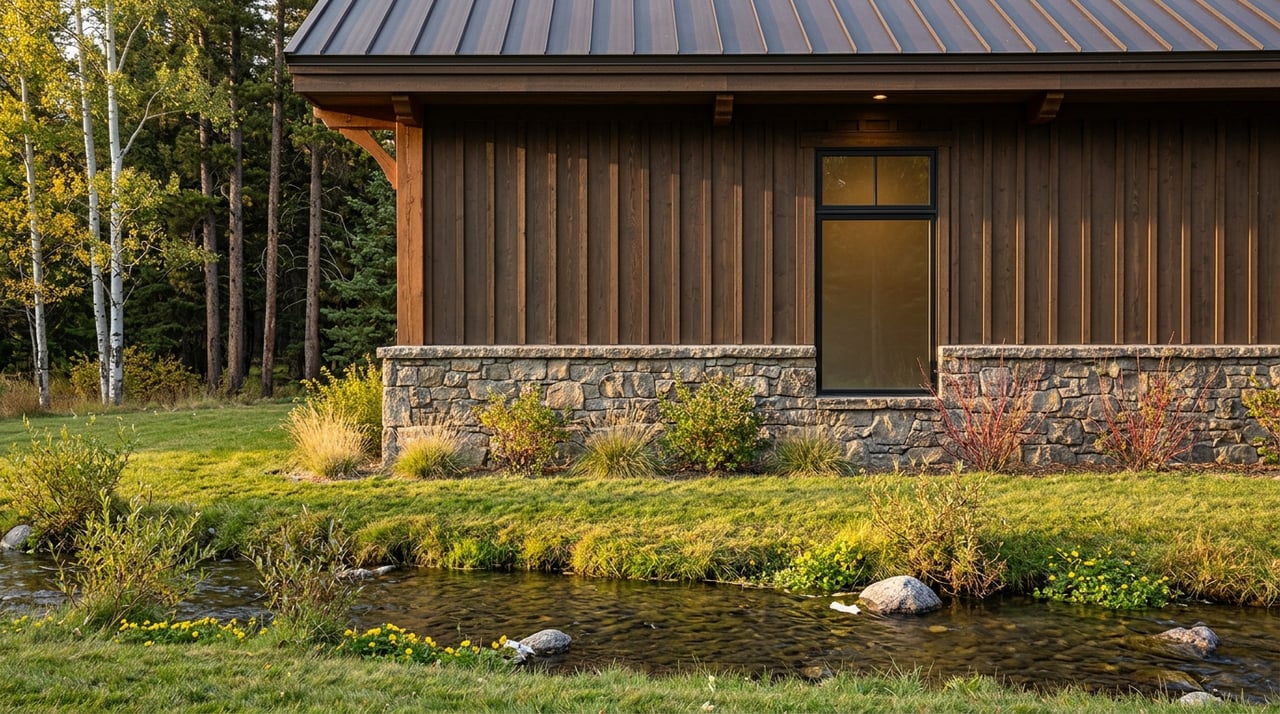
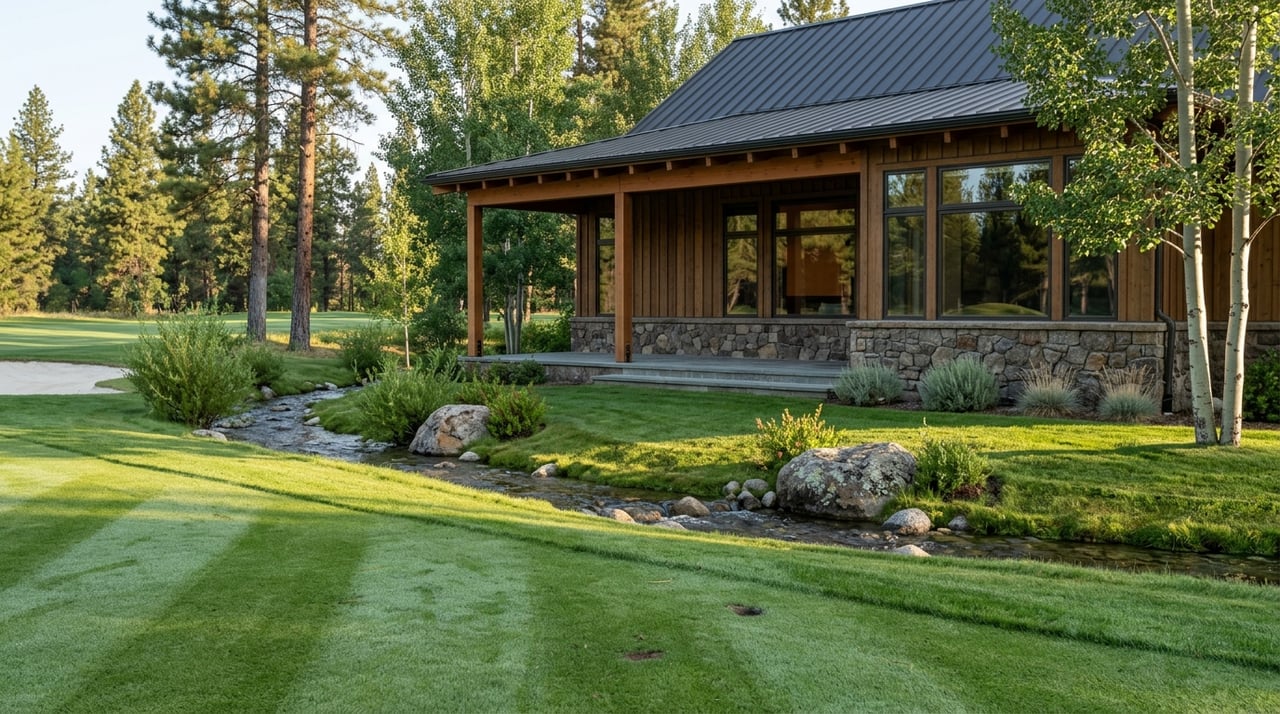
Crescent H opened as a dude ranch in 1927 and today spans roughly 1,300 acres subdivided into 42 homesites. Lots range from half an acre to two acres on the small end, with a separate tier of 35 to 50 acre parcels. Every homeowner, regardless of lot size, has access to the same amenity package: roughly 7 miles of private blue-ribbon spring creeks stocked with native Snake River fine-spotted cutthroat, a groomed trail system for hiking, horseback, and cross-country skiing, and a direct trail connection into the Bridger-Teton National Forest, which in turn opens into Grand Teton National Park.
That access is not a lease. It is not a public easement. It is a homeowner-and-guest covenant. Livewater Properties, which has marketed several ranch estates here, has been explicit that the ranch's creeks are no longer open to the public and that only Crescent H homeowners fish them. A one-acre owner and a fifty-acre owner walk to the same water.
The pricing implication is simple and rarely stated out loud. Two lots inside Crescent H, one at 0.5 acres and one at 35 acres, are not thirty-fold different in what the owner actually uses. Both use the full 1,300 acres. The larger lot buys privacy from neighbors. The smaller lot buys the same access at a fraction of the carrying cost.
To make the mechanism concrete, here is how a Fall Creek buyer should read the parcel data before comparing it to a Westbank alternative.
| Parcel type | Recorded acres | Amenities via covenant | Effective footprint |
|---|---|---|---|
| Crescent H small lot | 0.5 to 2 | 7 mi spring creek, groomed trails, BTNF access | 1,300+ acres in daily use |
| Crescent H large parcel | 35 to 50 | Same covenant plus on-parcel water on some sites | 1,300+ acres in daily use |
| Off-ranch Fall Creek Road parcel | Varies | None from ranch; public BTNF access only | Deed only |
The distinction between the last row and the first two is where the price gap concentrates. A five-acre parcel a mile down the road with a similar view can list for less per acre than a Crescent H half-acre, and buyers who have not done the covenant work often assume the pricing is irrational. It is not.
Two forces converged this year. First, Westbank riverfront trophy inventory kept climbing. Public listings on Fall Creek Road this cycle have included the 71-acre Five Ponds Ranch at 1700 S Fall Creek Road, listed at prices consistent with Westbank's top tier, and Fall Creek Lodge at 3355 S Fall Creek Road, which carried an initial ask above $29 million and, per public bid records, a high bid materially below list. When the top of the corridor prints those numbers, everything under $10 million reads as relative value to a buyer who was already willing to spend $15 million in Wilson proper.
Second, the buyer profile in the valley has shifted toward tax-residency purchasers who need a Wyoming domicile and want it privacy-forward. Wyoming has continued to rank near the top for dynasty trust and multi-generational asset protection, and the 183-day residency structure makes a quiet, gated-feel address more useful than a Town of Jackson condominium for the profile that is actually moving here. Fall Creek is quiet. It is not gated. It reads gated because of how the covenant, the setbacks, and the road itself function.
Fall Creek Road is paved for the first 12 miles south out of Wilson and then transitions to a maintained dirt road for the final 6 miles before rejoining Highway 89/26 at the Snake River Canyon, per the Bridger-Teton scenic drive guidance from Jackson Hole Net. That paved-to-dirt handoff is not a defect. It is a filter. It keeps commuter traffic and short-term rental churn on the paved segment closer to Wilson, and it explains why the last few miles have retained a genuinely rural feel that Westbank has been losing for a decade.
The other piece of road context worth understanding before writing an offer: the North Fork Fall Creek Trailhead, a remote Bridger-Teton access point off the corridor, is described by the Forest Service as accessed via a road that turns from gravel to dirt and becomes slick in spring and fall, with no cell service and four-wheel drive recommended. If your primary use case for the property is fly-in guests arriving in shoulder season, plan the winter and mud-season logistics before you fall in love with the summer photos.
The corridor works because Wilson works. Ten to fifteen minutes north of most Crescent H addresses, Wilson has enough daily-life density to support a full-time household without a Town of Jackson trip. On any given week a Fall Creek owner might rotate through:
None of this is aspirational marketing copy. It is the actual list a Fall Creek homeowner runs through in a week, and it explains why buyers who tour the corridor rarely leave asking whether they will feel isolated.
If you are moving from a comparable listing on the portals to a signed offer, three specific frictions matter in this corridor more than they do in Town or Teton Village.
Is Fall Creek Road a good bet if I want appreciation rather than lifestyle? The 2026 transaction jump suggests the market has begun re-rating this corridor toward Westbank comparables. Whether that continues depends less on national rate movement than on whether Westbank riverfront inventory keeps thinning at the top. If it does, Fall Creek's relative-value story strengthens.
Can I fly-fish the private creeks as a renter or guest of a homeowner? Guests of the homeowner, yes, subject to the HOA's rules and the number of rods allowed at once. Renters of a home whose owner is not present, generally not. Confirm the specific policy with the HOA in writing before booking a trip around it.
How does Fall Creek compare to buying directly on the Snake in Wilson? Direct Snake River frontage in Wilson is a different asset class with a different price. Fall Creek buyers are typically choosing spring creek access, tree cover, and a longer setback from the highway, not a river-facing view corridor. The two should be evaluated on separate criteria rather than dollar-for-dollar.
If you are trying to figure out whether the corridor's re-rating is a fit for your household or your portfolio, Meredith Landino can walk the covenant, the comps, and the diligence file with you before you write anything. Let's connect.
Stay up to date on the latest real estate trends.

Jackson Hole Real Estate
Curated suggestions by Meredith Landino

Part 1: The Town of Jackson — Luxury Living in the Heart of It All