South of Jackson Ranch Homes and Golf Community Living
June 25, 2026
June 25, 2026
Craving more space, more privacy, and a lifestyle that feels connected to the land without losing access to Jackson? South of town, the valley shifts in a noticeable way. It becomes quieter, more rural, and more shaped by the Snake and Hoback river corridors. If you are considering ranch and golf community living in this part of Teton County, it helps to understand not just the appeal, but also the ownership realities that come with it. Let’s dive in.
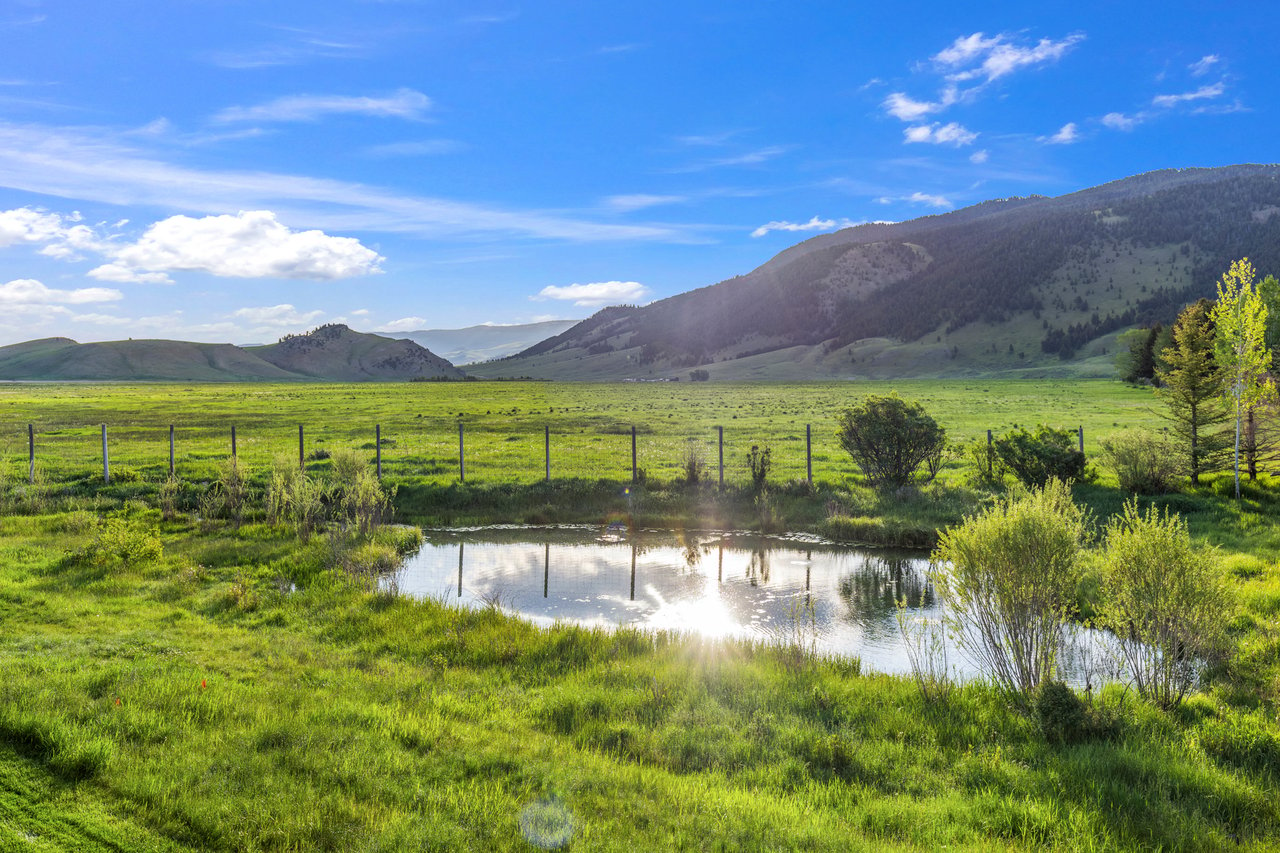
South of Jackson generally points you toward the southern end of the Jackson Hole valley around South Park and Hoback Junction. As you move farther south, the valley narrows to the width of the Snake River, which creates a more enclosed, landscape-driven feel than you find in town.
That character is not accidental. Teton County’s planning for the Canyons and Hoback Junction area has long emphasized a rural pattern with widely dispersed private land, protection for the Snake and Hoback Rivers, wildlife mobility, water quality, and scenic resources. In practical terms, that means this corridor tends to feel low-density and land-focused rather than suburban.
For many buyers, that is exactly the draw. You get a setting that feels more secluded and deeply tied to the natural landscape, while still remaining within reach of Jackson.
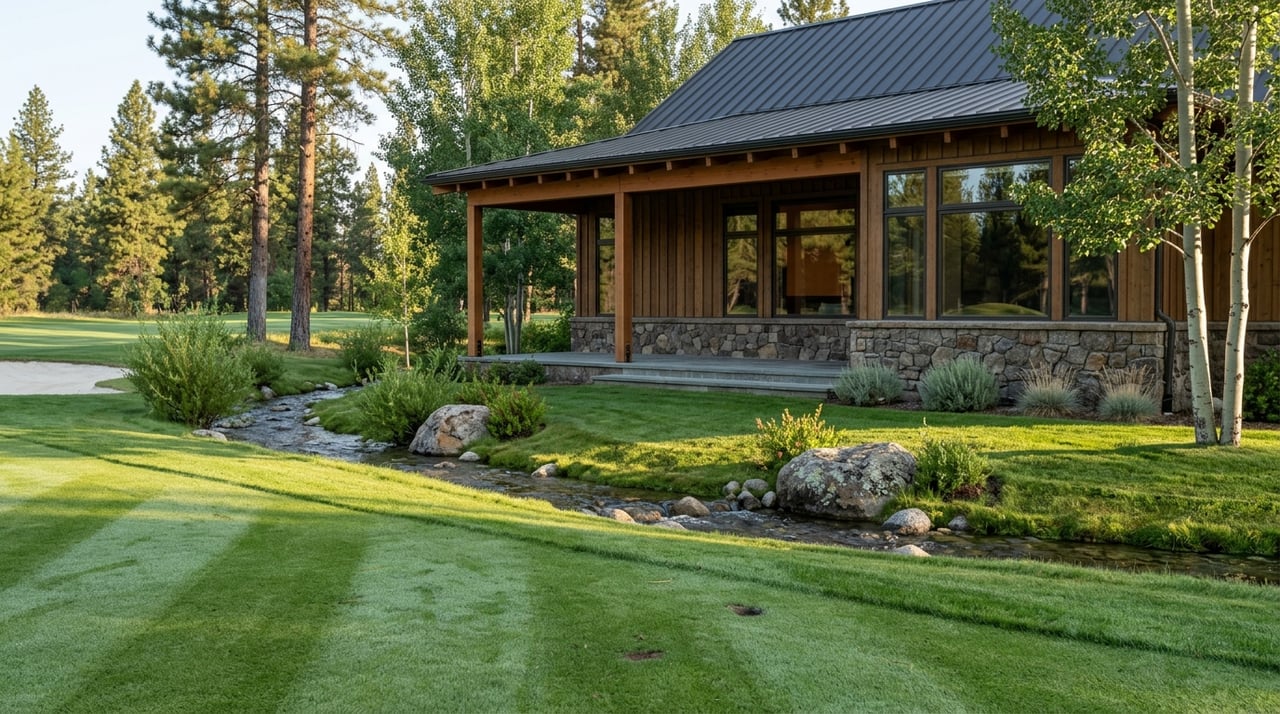
In this corridor, ranch and golf community living is best represented by Snake River Sporting Club. Located about 30 minutes south of Jackson, it blends private club living with a distinctly Western, ranch-oriented setting.
The club spans nearly 1,000 acres and combines a professional golf course, equestrian amenities, and a working ranch environment. That mix matters because it creates a lifestyle that is not just about one recreational feature. It is about having multiple ways to spend time outdoors in one private setting.
The lifestyle here is driven by a broad set of amenities. At Snake River Sporting Club, those include:
If you are comparing this corridor with other Jackson Hole ownership options, this is an important distinction. South of Jackson, the appeal is often less about walkable convenience and more about private, on-site recreation in a broad natural setting.
One of the most important details for buyers is that access is membership-based. For homeowners within Snake River Sporting Club, the Regular Membership offers full access to golf, dining, wellness, and outdoor pursuits, but it includes an initiation fee and annual dues.
The club also offers a non-golf Sporting Membership and a National Membership with geographic restrictions and limited golf privileges. Non-members do not have general access to club amenities, though lodging guests receive temporary membership. If you are evaluating property here, membership status should be one of your first questions.
When buyers look south of Jackson, they are often deciding between three different ownership styles. Knowing which one fits your goals can save time and help you focus your search.
This option is best for buyers who want a private, amenity-rich lifestyle with golf, dining, wellness, and outdoor recreation built into daily life. The convenience comes from having those experiences organized within a membership setting rather than piecing them together across the valley.
This style may suit you if you want a polished second-home experience, value privacy, and like the idea of structured access to golf and ranch-oriented recreation. It is less about being in town and more about being in a self-contained environment.
Some buyers are more interested in acreage, privacy, horses, river proximity, or the feeling of managing a property tied closely to the land. In that case, the appeal may be less about club services and more about space, use, and stewardship.
This path can be compelling, but it usually comes with more operational questions. If you plan to fence, keep horses, use corrals, or make site changes, county rules can become a major part of your ownership experience.
A hybrid property sits somewhere in the middle. You may want the visual scale and privacy of a ranch setting along with some proximity to club-oriented recreation or established amenities.
For the right buyer, this can offer a strong balance. Still, it only works well when you are clear-eyed about constraints tied to river corridors, development review, wildfire standards, and access.
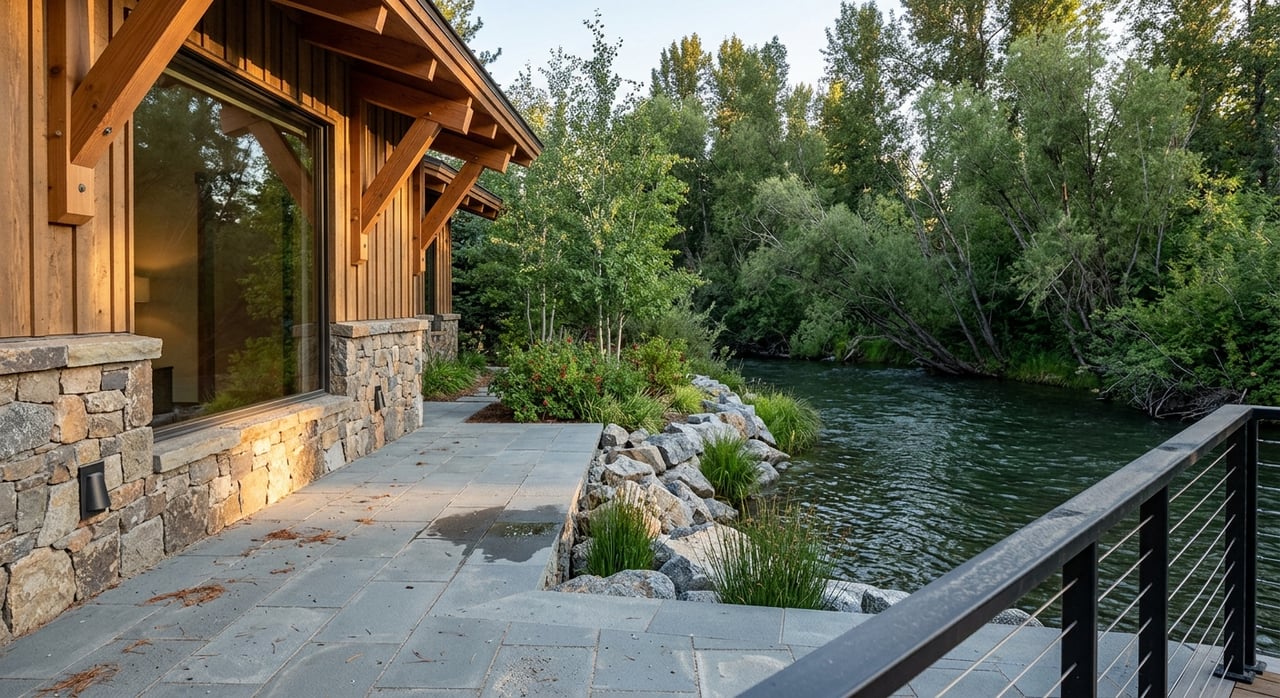
The Snake River is one of the defining amenities in this part of the valley. Through Jackson Hole, the river runs roughly 33 miles from Moose to Hoback, and Teton County manages public access points including the Wilson and South Park boat ramps.
That said, river living is not just about the view or proximity. Buyers should look closely at whether a property has deeded river access, easement access, or only nearby public access. Those differences can materially affect how you use the property.
The river corridor is also a managed shared-use system. Teton County provides mapping for public and private land, access points, hazards, flow data, and recreational easements, and commercial use on the river is regulated under the Snake River Management Plan. If the river is central to your buying decision, access should be verified early and specifically.
If you expect to build, expand, or significantly alter a property south of Jackson, county review matters quickly. As of May 1, 2025, Teton County requires a Natural Resource Assessment before any physical development permit or new use.
There may also be additional review depending on whether the property falls within the Base, Mid, or High Tier of the Natural Resources Overlay. This is especially important for buyers who assume development only refers to a new house or major addition.
County guidance defines site development broadly. Driveways, parking areas, corrals, outdoor storage, and stockpiles can count as development, while agricultural cultivation does not. So if you are picturing a simple land improvement project, it is smart to confirm what review path applies before you commit.
Wildfire preparedness is no longer a niche concern for select properties. Teton County and the Town of Jackson use the 2024 International Wildland Urban Interface Code, and effective January 1, 2025, all private land parcels in the county and town fall within the adopted WUI map.
For buyers, that means WUI review is part of the permitting conversation countywide. Depending on the property and project, this can trigger ignition-resistant construction requirements. County guidance also notes that utilities must be underground.
This does not mean you should avoid the corridor. It means you should evaluate future plans with current standards in mind, especially if you are buying land or considering renovations.
Waterfront and river-adjacent parcels often carry extra appeal, but they also deserve extra diligence. Teton County requires setbacks of 150 feet from rivers, 100 feet from perennial or intermittent streams or natural lakes and ponds, 30 feet from ephemeral streams, and 50 feet from wetlands.
Flooding is another consideration. The county notes that even with Jackson Lake Dam and levees, flooding remains possible. If a parcel depends on county road access, a road access permit is required to construct an access driveway off a county road.
These details may sound technical, but they shape what you can build, where you can place improvements, and how a site functions long term. In this corridor, the most beautiful parcels often deserve the most careful review.
If you are hoping to offset ownership costs with vacation-rental income, verify rental rules before moving forward. Teton County says short-term rentals under 31 days are prohibited for most residential properties unless the property is located in one of the county’s listed resort or lodging districts.
That makes this corridor a weaker fit for buyers who need flexible short-term rental use. For many owners, that is not a problem. But if rental income is part of your purchase strategy, it should be one of the earliest filters in your search.
Ranch and golf community living south of Jackson tends to work best for buyers who want privacy, a club-mediated recreation lifestyle, river access, and a ranch-scale setting within reasonable reach of town. It can be especially appealing if you value Western character and want your property experience to feel immersive rather than urban.
It may be less compelling if your priority is walkable convenience, minimal property upkeep, or broad short-term rental flexibility. In other words, this is a lifestyle choice as much as a real estate choice.
If you are narrowing options in this corridor, keep your review focused on the points that most affect daily use and long-term fit.
Consider asking:
Clear answers to those questions can quickly reveal whether a property supports the lifestyle you actually want.
If you are exploring ranch or golf community property south of Jackson, the right guidance can help you balance lifestyle appeal with practical due diligence. For tailored insight on this unique corridor and a more strategic look at available opportunities, connect with Meredith Landino.
Stay up to date on the latest real estate trends.
Part 1: The Town of Jackson — Luxury Living in the Heart of It All
Jackson Hole Real Estate
The most sought-after properties aren't always the ones you see online.
wyoming taxes
Wyoming Tax Benefits