Buying Riverfront Property In Westbank/Wilson
July 16, 2026
July 16, 2026
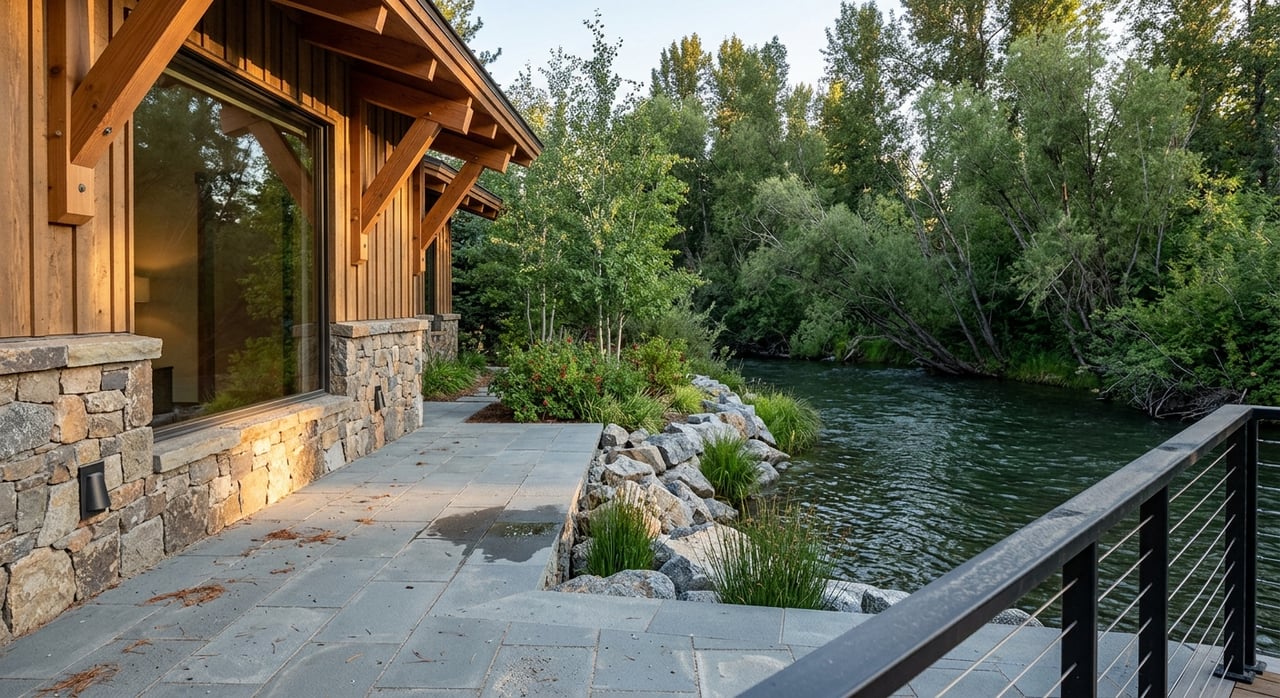
If you are drawn to riverfront property in Wilson or the Westbank, you are probably picturing big views, privacy, and easy access to the outdoors. Those benefits can be real, but river-adjacent ownership here also comes with important planning, floodplain, and water-right considerations that can shape how you use the property over time. If you understand those details early, you can make a more confident decision and avoid surprises later. Let’s dive in.
In the Wilson area, two properties that look close together on a map can sit in different planning contexts. County planning materials describe Wilson as a small Complete Neighborhood and the western gateway, with Fish Creek and nearby riparian areas identified as crucial wildlife habitat and movement corridors. Westbank is a separate county character district, and that distinction can matter when you evaluate a parcel.
That means riverfront value is not just about having water nearby. It is also about how the land fits within open-space preservation goals, wildlife priorities, and the county’s low-impact neighborhood character. In practical terms, one parcel may offer a very different building envelope, privacy profile, or review process than another just down the road.
Not every waterfront parcel delivers the same experience. Along the Snake River corridor, some homesites may frame the Tetons, some may look toward the Gros Ventre range, and others may feel more inward-facing with screened courtyards or mature vegetation.
If views are one of your main reasons for buying, it helps to study exactly where the living spaces, outdoor areas, and future building zones sit on the lot. A riverfront address alone does not guarantee the same visual payoff from every room or every season. In Wilson especially, where preservation and low-impact character shape development, orientation matters.
Privacy is one of the biggest reasons buyers look at river-adjacent property, but it deserves a close look here. Teton County manages the Wilson and South Park boat ramps, and the Snake River corridor includes a mix of public and private land. Floating activity can affect how private a property feels, especially during peak recreation periods.
The county’s river access mapping is designed to show public and private land, access points, hazards, flow data, weather, recreational easement information, and waterways regulations in real time. Wyoming Game and Fish notes that on privately adjacent land, wading, anchoring, or getting out of a boat requires landowner permission.
For you as a buyer, the key is to separate the idea of waterfront seclusion from the reality of actual river use nearby. A creekside parcel in Wilson may feel very private and offer strong habitat value, but it can also be more constrained by riparian protections and wildlife movement priorities than an inland parcel.
One of the most important due diligence items is the county setback and buffer framework. Teton County states that development setbacks are 150 feet from rivers, 100 feet from perennial streams, 100 feet from intermittent streams, and 50 feet from wetlands.
Those buffer areas must remain free of clearing, grading, non-native landscaping, construction, fences, parking, storage, refuse, and similar uses. This can have a major impact on how much of a lot is truly buildable, how outdoor improvements are planned, and whether future changes are realistic.
Even work that feels cosmetic can trigger review if it involves land disturbance, vegetation changes, or structures near the buffer. If you are comparing properties, it is wise to look beyond lot size and focus on the usable envelope after these restrictions are applied.
Floodplain due diligence should happen at the start of your search, not after you fall in love with a property. Teton County directs owners and buyers to the county GIS for flood hazard zones, while also warning that floodplain boundaries do not always align with aerial basemaps.
The county also notes that FEMA map updates are in progress and that pending FEMA products currently apply to development proposals in flood-prone areas. If a property is in the Special Flood Hazard Area and you want to develop, a floodplain permit is required before work begins.
This is especially important in a market where buyers may be thinking about future additions, guest spaces, garages, landscaping, or access improvements. A riverfront property can be exceptional, but your plans need to match the site’s floodplain reality from day one.
The broader flood context matters too. The Snake River and Gros Ventre levee system includes 24.5 miles of levees in Teton County, maintained with Army Corps assistance. County history also records major flood events, including the 1927 Kelly Flood and a 2007 flash flood that washed out a private road in Wilson.
These facts do not mean a particular property is unsuitable. They do mean you should evaluate access, infrastructure, and site resilience with care. In river-adjacent ownership, the beauty of the setting and the practical realities of water movement need to be considered together.
This is one of the most misunderstood parts of buying waterfront property in Wyoming. Owning land next to a stream does not automatically give you the right to divert or use the water.
According to the State Engineer’s Office, Wyoming does not recognize riparian rights in the eastern sense. All water belongs to the State of Wyoming, and water rights are administered by priority date.
If a stream, ditch, or irrigation feature crosses a property, you should not assume you can use, fill, alter, or redirect it. Ditch ownership may also involve separate maintenance and access rights. For creekside or irrigation-adjacent parcels, title review and water-right review are essential parts of the buying process.
The right riverfront purchase usually comes down to asking the right questions before you write the strongest offer, not after. Teton County says a zoning compliance verification can be used voluntarily to have a planner research a property, answer specific questions, or confirm non-conformity.
The county also states that, as of May 1, 2025, a Natural Resource Assessment is required before any physical development permit or new use, depending on the parcel overlay tier. In addition, floodplain determinations may require help from a local professional such as an engineer, architect, hydrologist, or surveyor.
A practical buyer team often includes:
When those voices are involved early, you get a clearer picture of what you are buying and what the property can realistically support.
If you are narrowing down riverfront options in Wilson or the Westbank, focus on these questions:
These questions help you compare properties more intelligently. In this part of Teton County, two river-adjacent homes can look similar in photos yet offer very different long-term flexibility.
The best riverfront properties in Wilson and the Westbank offer more than scenery. Their value comes from the combination of views, privacy, access, floodplain status, water-rights status, and the size of the buildable envelope after county buffers are applied.
When you evaluate all of those pieces together, you can move beyond the romance of the setting and make a grounded decision. That is especially important in a market where lifestyle appeal is strong and inventory can be highly unique.
If you are considering a riverfront purchase in Wilson or the Westbank, working with a broker who understands the local planning context can save time and sharpen your search. For tailored guidance on Jackson Hole area properties, connect with Meredith Landino.
Stay up to date on the latest real estate trends.
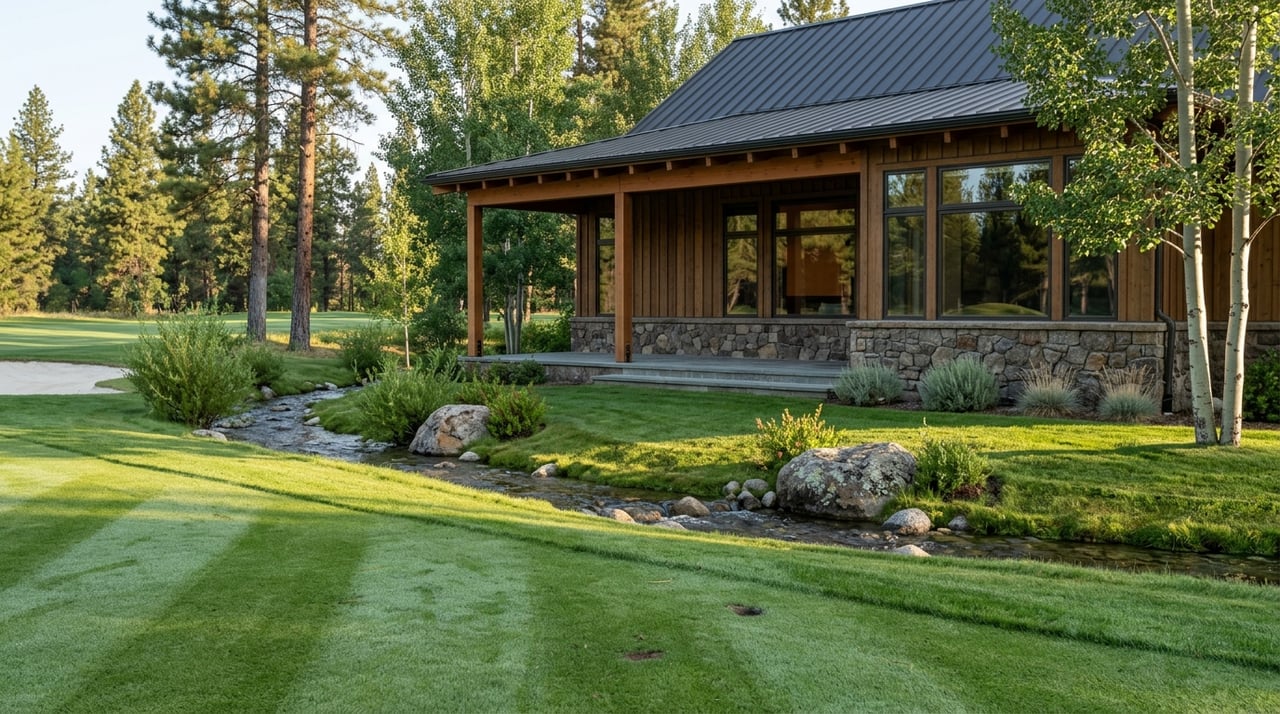

Part 1: The Town of Jackson — Luxury Living in the Heart of It All
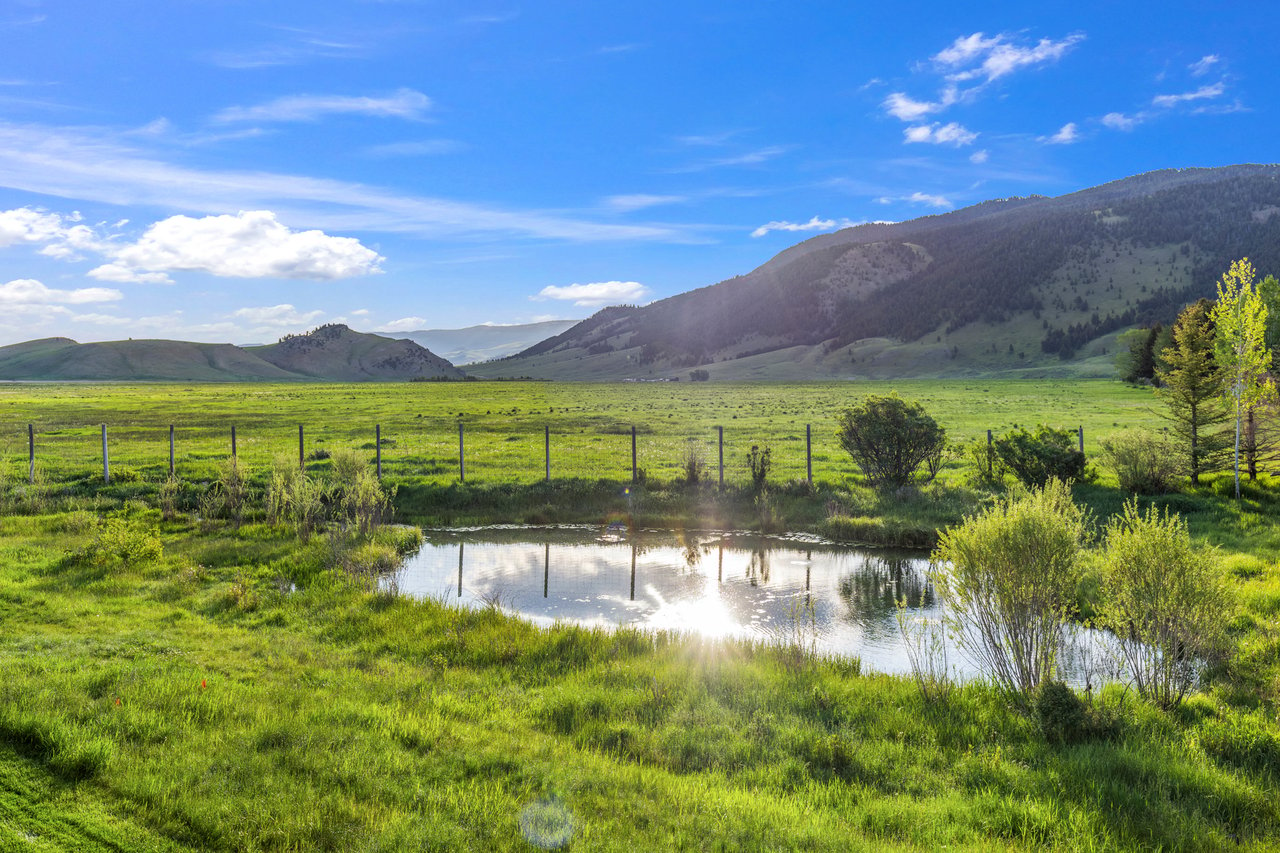
Jackson Hole Real Estate
The most sought-after properties aren't always the ones you see online.
wyoming taxes
Wyoming Tax Benefits