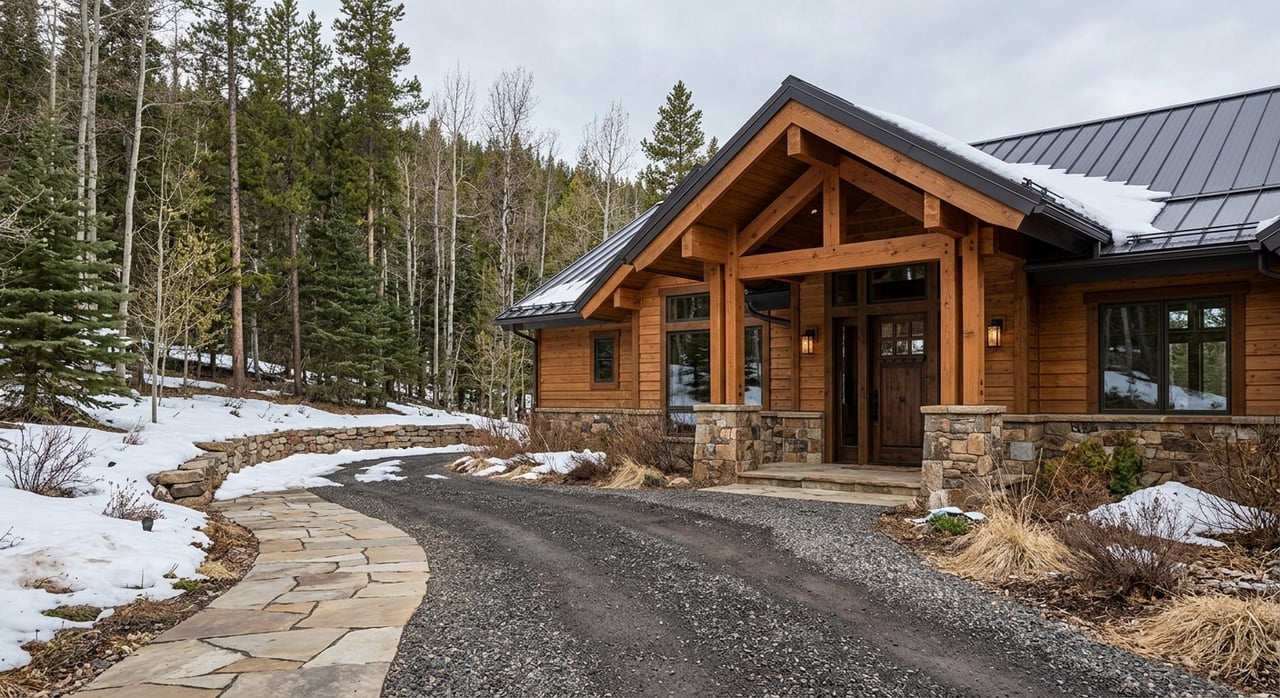
Seasonal Living North Of Wilson: Privacy And Access
July 2, 2026
July 2, 2026
If you are drawn to the north side of Wilson, chances are you are looking for a rare balance: more breathing room, more privacy, and still a practical connection to Jackson Hole. That appeal is real, but seasonal living here works best when you understand how access shifts through the year. From summer crowds and river days to winter road conditions and spring maintenance, this area rewards owners who plan ahead. Let’s dive in.
North of Wilson sits in a useful middle ground. It is connected to the broader Jackson Hole service network, yet it does not move at the same pace as the town core. For many seasonal owners, that is exactly the point.
The feeling of privacy here is shaped less by isolation and more by location and seasonality. You are still within reach of valley transit, bike pathways, fire coverage, EMS support, and regional road connections. At the same time, daily life can feel quieter, especially outside the busiest visitor months.
If you are comparing North Wilson to in-town Jackson, it helps to think in terms of access rather than convenience alone. Teton County EMS tracks North Wilson as its own response zone, with a 90th-percentile ambulance response time of 19.2 minutes. For context, Town of Jackson is 9.2 minutes, Teton Village is 18.3 minutes, and South Wilson is 26.6 minutes.
That does not mean the area lacks support. Jackson Hole Fire/EMS provides countywide BLS and ALS coverage, and the Wilson area is also supported by Firehouse 2 in Wilson and Firehouse 6 on North Moose-Wilson Road. In practical terms, North Wilson is served, but it is wise to approach ownership with the mindset of a semi-rural setting rather than an in-town address.
For many owners, the main access story starts with WY 22. WYDOT is improving the corridor between Jackson and Wilson with a new four-lane Snake River bridge, a pedestrian underpass, and a reworked WY 22 and 390 intersection designed to improve traffic flow and safety.
Long term, those upgrades matter. In the near term, construction periods can add congestion and delays, which makes timing part of the lifestyle equation. If you plan to arrive for a weekend, coordinate service visits, or head into Jackson for dining or shopping, a little extra buffer can go a long way.
The biggest lifestyle tradeoff north of Wilson is not remoteness. It is that access can be weather-sensitive and construction-sensitive, especially in winter and spring. Owners who enjoy the area most tend to embrace that rhythm rather than fight it.
Teton Pass is also part of the broader regional picture. It is a critical route, but steep topography, severe winter weather, and avalanche management make it more sensitive to conditions than lower-valley roads. If your travel patterns include the pass, winter planning becomes even more important.
From May through September, the valley is at its most active. Grand Teton National Park is open 24 hours a day year-round, and its most popular months fall in this same stretch. During the busy summer season, most park roads and facilities are open, and crowds and lines are common in spring, summer, and fall.
That activity spills into the wider Wilson corridor. July and August are peak months for hiking, mountain biking, backpacking, and horseback riding, and Grand Teton recorded 3,800,648 recreation visits in 2025. If you own north of Wilson, summer can feel vibrant and full, but it rarely feels sleepy.
Seasonal living here often centers on being outside. The Snake River through Jackson Hole runs roughly 33 miles from Moose to Hoback and supports boating, fishing, and riverside recreation. Teton County also organizes river use across segments that include Moose to Wilson and Wilson to South Park.
For owners who spend summers in the valley, that access can shape your entire routine. The Wilson boat ramp is public and sits off Moose-Wilson Road next to R Park in Wilson, with the boating season running from May 1 through October 31, weather permitting. It is one more reason this area appeals to buyers who want a lifestyle property rather than just a place to sleep.
If summer is the high-energy season, fall is often the most balanced. As aspens turn gold and wildlife begin seasonal movement, the parks and valley generally become quieter than they are in peak summer. Roads in Grand Teton typically remain open until November 1, though temporary weather-related closures can happen.
For many seasonal owners, this is when the privacy-and-access equation feels especially attractive. You still have strong visual access to the landscape and good opportunities to hike, but with less pressure from peak-season crowds. Trail accessibility can still shift with the weather, so flexibility matters.
Winter changes the pattern in a more dramatic way. From November through April, some roads, all campgrounds, and most visitor facilities in Grand Teton operate on reduced access or close for the season. Recreation shifts toward skiing, Nordic skiing, snowshoeing, fat biking, snowmobiling, sleigh rides, and wildlife viewing.
This is also when practical access matters most. Public transportation does not operate to the national parks, so a vehicle or guided transportation is necessary for park trips beyond town limits. For everyday winter driving, checking WYDOT road conditions is part of the routine because roads can close during hazardous weather.
A quieter season does not mean a less active one. Jackson Hole offers more than 200 miles of groomed cross-country ski trails, including a 14-mile stretch of the Inner Park Loop Road that is closed to cars from November 1 until May 1. For many owners, winter is less about casual spontaneity and more about choosing the right day and making the most of it.
That distinction matters if you are evaluating a second home purchase. North of Wilson can be deeply rewarding in winter, but it tends to suit buyers who appreciate planning, weather awareness, and a slower pace of movement.
Spring is when seasonal living becomes the most logistical. As snow melts, rivers swell with runoff and the valley starts to green up. At the same time, Teton County often uses this period for patching, crack sealing, striping, dust control on gravel roads, and other maintenance that can create delays or temporary closures.
For part-time owners, spring often requires the most patience. Access is improving, but the valley is still in transition, and road work becomes part of the seasonal routine. If you are opening a home after winter or preparing it for summer use, this is often the season that asks the most from your schedule.
North of Wilson is especially appealing when you understand the operational side of ownership. For example, Teton County requires a Road Access Permit to build a driveway off a county road, and that permit is attached to the county building permit once completed. On parcels with private access drives, details like this are worth reviewing early.
That is one reason local guidance can make such a difference. In a market where privacy, terrain, and access all shape value, it helps to evaluate a property not just by architecture or views, but by how it functions in July, November, January, and April.
If you are exploring a home north of Wilson, a few questions can help clarify fit:
These are not drawbacks so much as design features of the area. Buyers who thrive here usually value seasonal flexibility more than full-time urban-style convenience.
That is the real story north of Wilson. You can have a setting that feels tucked away without giving up the service network and recreation infrastructure that make Jackson Hole livable and enjoyable. What changes is the rhythm.
In summer, the area is lively and connected. In fall, it often feels calmer and visually expansive. In winter, it asks for preparation. In spring, it rewards patience. For the right buyer, that cycle is not a compromise. It is the appeal.
If you are considering a seasonal home north of Wilson, working with a local advisor who understands both the lifestyle and the logistics can help you make a more confident decision. To talk through specific properties, access considerations, and how this micro-market fits your goals, connect with Meredith Landino.
Stay up to date on the latest real estate trends.
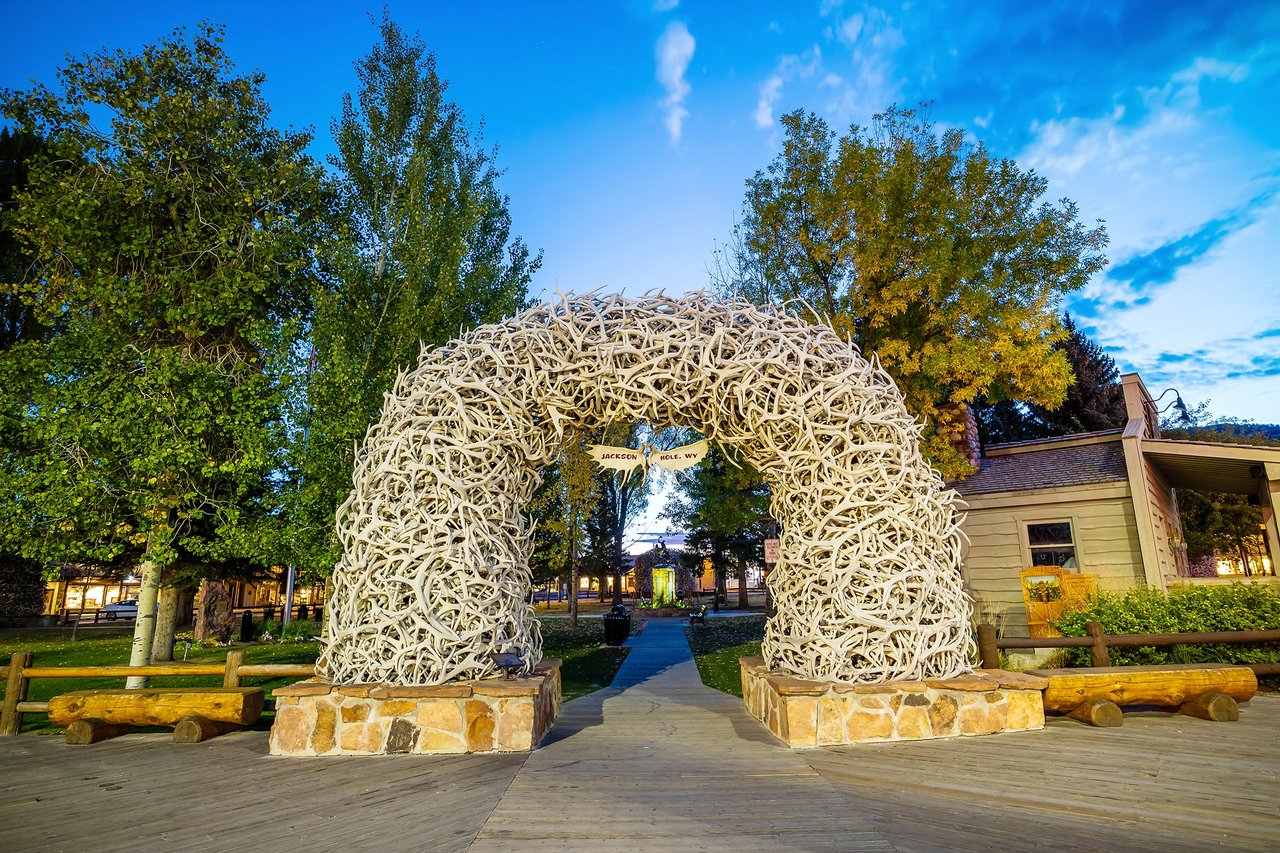
Part 1: The Town of Jackson — Luxury Living in the Heart of It All
Jackson Hole Real Estate
The most sought-after properties aren't always the ones you see online.
wyoming taxes
Wyoming Tax Benefits