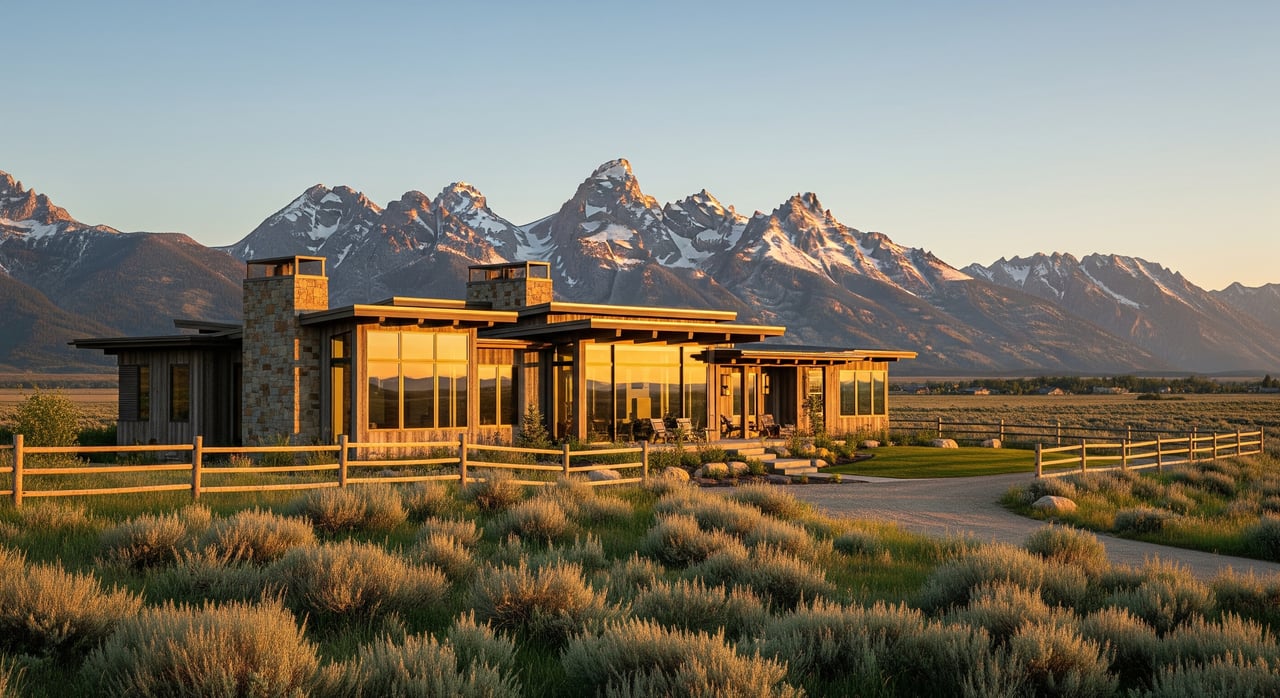
Town vs South of Jackson: Best Fit for Everyday Life
January 15, 2026
January 15, 2026
Choosing between life inside the Town of Jackson and the rural neighborhoods south of town can feel like two great options pulling in different directions. You want natural beauty and space, but you also want daily convenience that keeps life simple. The good news is you do not have to guess. When you line up your routine, priorities, and tolerance for winter logistics, the right fit becomes clear. In this guide, you will compare everyday tradeoffs so you can move forward with confidence. Let’s dive in.
Town of Jackson living centers your day around short hops to groceries, coffee, clinics, and parks. You can often walk or drive a few minutes to nearly everything you need. South of Jackson prioritizes space and quiet, with larger lots and a more rural feel. You will likely drive more for errands and services, and you will manage more of your own property systems.
If your work, school, and workouts cluster in or near Town, living in Town usually makes day-to-day travel simpler. Parking can be tight at peak times, but your overall time in the car tends to be lower. If you live south of Town, plan for regular vehicle trips along the US‑89/US‑191 corridor to reach shopping, schools, and appointments. Travel time varies by the exact address, season, and road conditions, so test typical routes at the times you will use them.
Inside Town limits, municipal crews prioritize primary routes and maintain many sidewalks. State highways are maintained by WYDOT with high priority, while county roads and private lanes south of Town vary in their plowing schedules. Rural residents often budget for private plowing and rely on 4WD vehicles and proper winter tires. If you choose a rural lane or long driveway, expect to coordinate snow removal and build in extra time after storms.
Town properties generally sit on smaller lots with duplexes, condos, and mixed-use zoning in some corridors. This suits you if you prefer lower yard maintenance and a walkable lifestyle. South of Town, zoning trends toward agricultural and rural residential. Lots are larger and may allow accessory structures, animals, and on-site systems, though conservation overlays and floodplain rules can limit how and where you build.
Town concentrates full-service groceries, pharmacies, banks, restaurants, clinics, and professional services. Delivery options, trades, and contractors are more readily available and often respond faster. South of Town has fewer nearby businesses, so most residents plan routine trips into Town for supplies. Service providers do cover the southern valley, though travel time and trip fees may apply for more distant calls.
From Town you can reach local pathways, parks, and nearby trailheads quickly for casual walks, runs, and bike rides. South of Town often puts you closer to backcountry access, open views, and quieter neighborhood routes. Winter grooming and seasonal access vary with land managers and programs, so confirm trail maintenance and permitted uses near any property you are considering. Either way, you are never far from world-class outdoor experiences.
Town properties typically connect to municipal water and sewer. South of Town, most homes rely on private wells and septic systems, which require permitting and ongoing maintenance. Electricity service is available across the valley, and many rural homes use propane for heating where natural gas is limited. Broadband outside Town can vary widely, so verify providers, speeds, and installation costs for the exact address rather than relying on general coverage maps.
Proximity to stations in Town can translate to shorter response times for police, fire, and EMS. Rural addresses south of Town may see longer response intervals and may be served by volunteer districts, so confirm station locations and coverage. School assignments come from Teton County School District No. 1 and depend on your residence. Bus routes may serve southern neighborhoods, though ride times can be longer, so check assignments and transportation for your specific address.
Town properties often command a premium for walkability and access to services, and inventory can be limited. South-of-town homes trade across a wide range, with total price influenced by acreage, views, and improvements. Ongoing costs differ by location. Rural ownership can include driveway plowing, well and septic maintenance, fencing, and erosion control. Town homes may carry HOA or municipal fees in some developments but often reduce private maintenance demands.
Use these questions to match your routine to the right side of the Town–South spectrum:
Bring this list when touring properties so you can compare options confidently:
Your address-level details matter. Confirm utilities, plowing, zoning, school assignment, and broadband at each property rather than relying on general assumptions. A guided neighborhood tour can help you feel the pace, traffic patterns, and seasonal differences that do not show up on a map. If you are weighing tradeoffs or want a curated list that matches your routine, reach out for local guidance and on-the-ground comparisons.
Ready to find your best fit in Jackson Hole? Connect with Meredith Landino for a tailored tour and concierge-level support from search to closing.
Stay up to date on the latest real estate trends.