Experiencing the Teton Village Ski Condo Lifestyle
February 5, 2026
February 5, 2026
Imagine sipping your coffee, stepping into warm boots, and gliding to the gondola within minutes. If you dream about maximizing every ski day and turning weekends into effortless escapes, a Teton Village ski condo can deliver exactly that. Still, you might wonder what life here really feels like, what it costs to own, and how rentals work. This guide walks you through daily rhythms, common floor plans, amenities, ownership costs, rental realities, and how village living compares with Jackson. Let’s dive in.
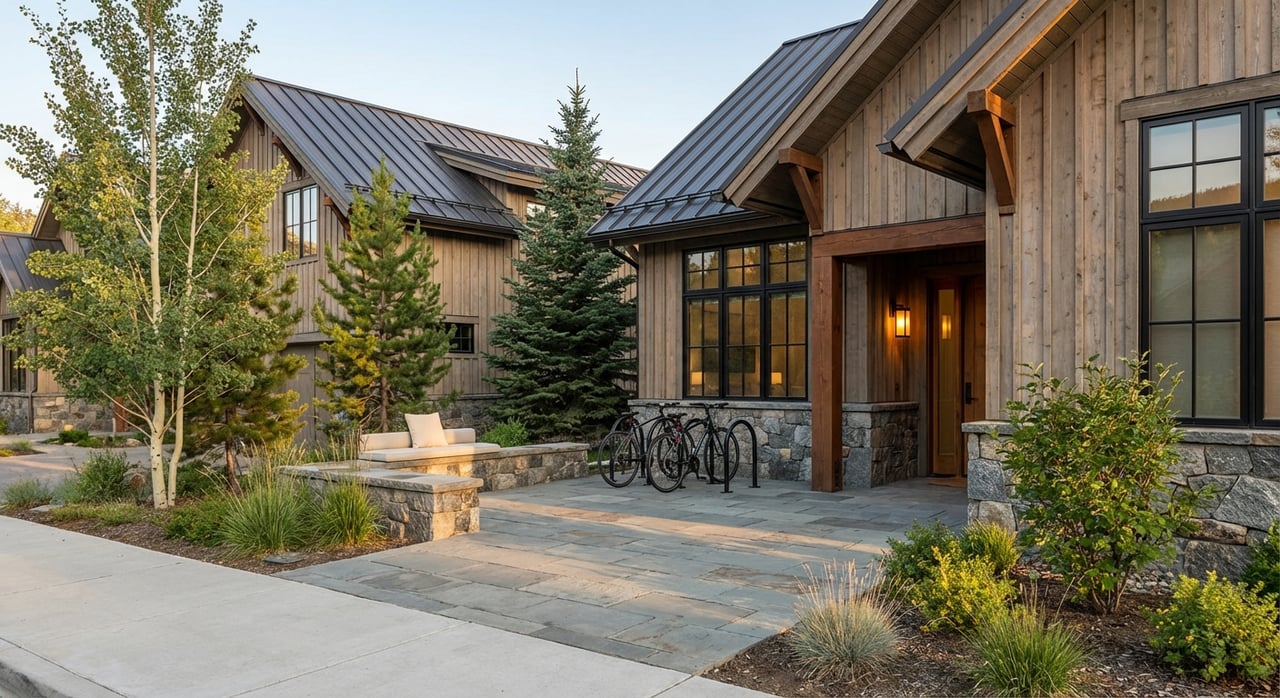
Your day starts with simple logistics. Most buildings offer ski lockers and heated boot rooms, so getting out the door stays easy. If your building is truly ski in and out, you can clip in and go. If it’s walk to lift, you’ll have a short stroll to the gondola or a quick shuttle ride.
On peak mornings, coffee and grab and go breakfast options are nearby in the village core. You can return for lunch or après without moving your car. That proximity is the biggest everyday win of owning in Teton Village.
You’ll find a range of floor plans designed for mountain life.
Square footage runs from compact studios of several hundred square feet to multi bedroom units in the low thousands. Flexible sleeping spaces and bunkrooms are common so you can host more guests without a sprawling footprint.
Teton Village includes a mix of building types. Traditional condo associations are common. You’ll also see hotel condo hybrids with on site front desks and optional rental programs, plus select fractional or time share formats.
Parking and storage matter here. Many buildings offer assigned indoor parking or garages, sometimes for a fee. Most provide ski lockers, and many include bike storage for summer. Ask for details on guest parking and snow removal policies.
Amenities vary by complex, and they shape your experience.
Confirm what is offered at each building and whether amenities are open year round or operate on a seasonal schedule.
Owning in a resort setting concentrates convenience and services, which also concentrates costs. Budget for these categories:
Request the latest HOA budget, reserve study, and meeting minutes to check for special assessments, upcoming projects, and rule changes.
Short term rental demand peaks in winter and remains meaningful in summer. Shoulder seasons are quieter, so annual occupancy is seasonal, not steady. That means your revenue and expenses will not flow in neat monthly lines.
Regulations change, and they vary by zone and building. Some developments allow short term rentals, others restrict them or require permits. You may also be subject to lodging or occupancy taxes. Confirm current rules with Teton County Planning, the Town of Jackson, and your HOA covenants.
If you want simplicity, on site hotel programs can streamline bookings, guest check in, and housekeeping, though you trade some control for convenience and pay commissions. Independent managers offer flexibility but require more owner oversight. Model your plan with seasonally weighted assumptions rather than annual averages.
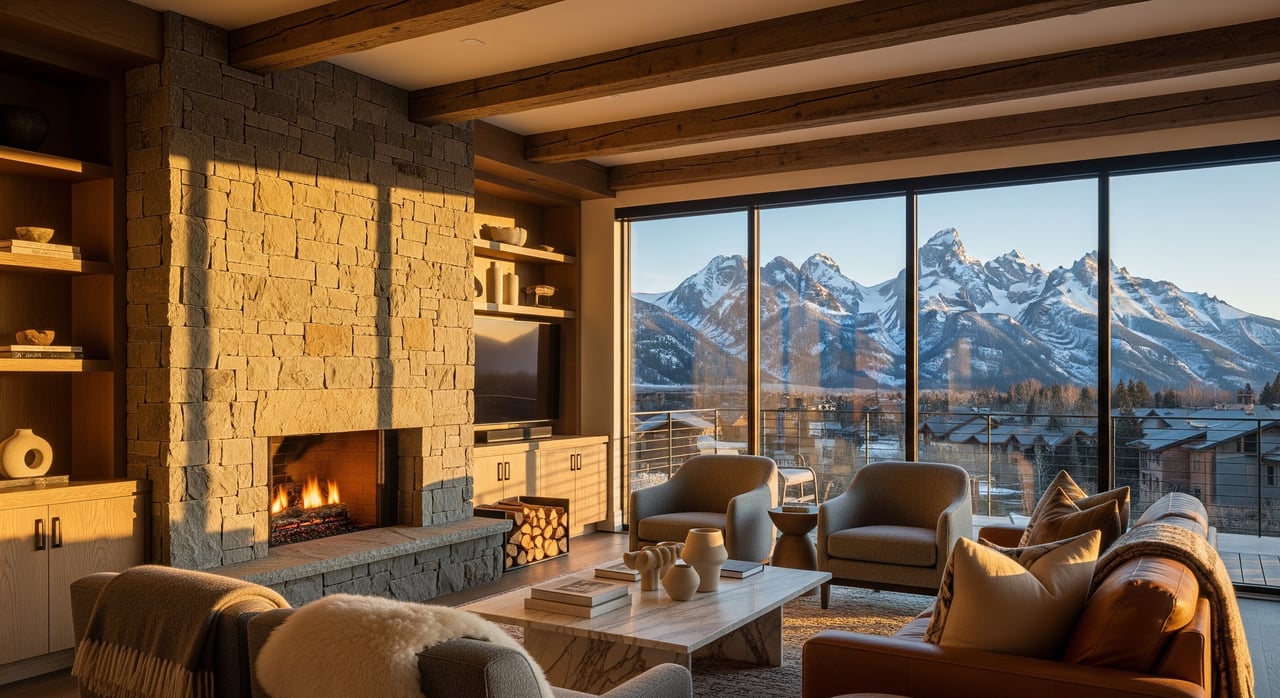
Teton Village hums in winter and softens in summer. Warm months bring hiking, mountain biking, and festivals, with fewer daily crowds than peak ski season. You can ride the lifts for alpine hiking, explore valley trails, and enjoy long evenings on a deck with mountain views.
Shoulder seasons are peaceful. Many owners love the quiet, easy parking, and low key routines. Some services and restaurants reduce hours or close, so you’ll drive into Jackson for more choices during these periods.
Your neighbors will range from second home owners to resort employees and a smaller number of full time residents. Social life tends to cluster around the resort calendar. Think race weekends, holiday periods, and summer events.
Smaller buildings often feel neighborly and familiar. Larger hotel style complexes can feel more transient, with frequent guest turnover and service operations in motion during busy weeks.
Every mountain village has tradeoffs. Here are the common ones to consider:
Choosing between Teton Village and nearby Jackson comes down to your daily priorities. Teton Village puts you inside the resort experience. Your skis, the lifts, and après are right outside.
Jackson, by contrast, offers year round services, a larger dining and arts scene, schools, hospital access, and a fuller sense of everyday community. You trade immediate lift access for broader infrastructure and often more space. Nearby residential areas like Wilson or neighborhoods south of Jackson tilt toward single family homes and larger lots, with longer resort access but quieter settings.
If your focus is maximum mountain immersion and simplicity around ski days, the village is hard to beat. If you crave a wider set of daily services and a larger community rhythm, town living could be the better fit.
Do your homework at the building and unit level. Use this checklist during due diligence:
Many lenders finance second homes in resort markets, though qualification and down payment requirements can be stricter than for primary residences. Cash offers are also common in competitive segments. Conventional second home loans are typical in most condo buildings. Hotel condo hybrids and fractional models may have different underwriting rules, so speak with a lender familiar with Teton Village properties.
Rental use and second home status carry distinct federal tax considerations, including deductible expenses, passive activity rules, depreciation, and occupancy tests. Consult a CPA who understands Wyoming and short term rental taxation to optimize your approach.
You want clear guidance, not guesswork. As a long time local advisor, Meredith pairs deep Jackson Hole knowledge with concierge level service to help you choose the right building and floor plan. You get data informed advice on HOA health, rental potential, and true lift access, plus polished virtual tours and high fidelity visuals that make out of market decisions easier.
Her approach blends neighborhood storytelling with rigorous due diligence so you feel confident about lifestyle fit and investment tradeoffs. If a Teton Village ski condo matches your goals, she will guide you from first tour to a smooth close with the service and discretion you expect.
Ready to explore Teton Village condos or compare them with town options? Connect with Meredith Landino to start a focused, stress free search.
Stay up to date on the latest real estate trends.