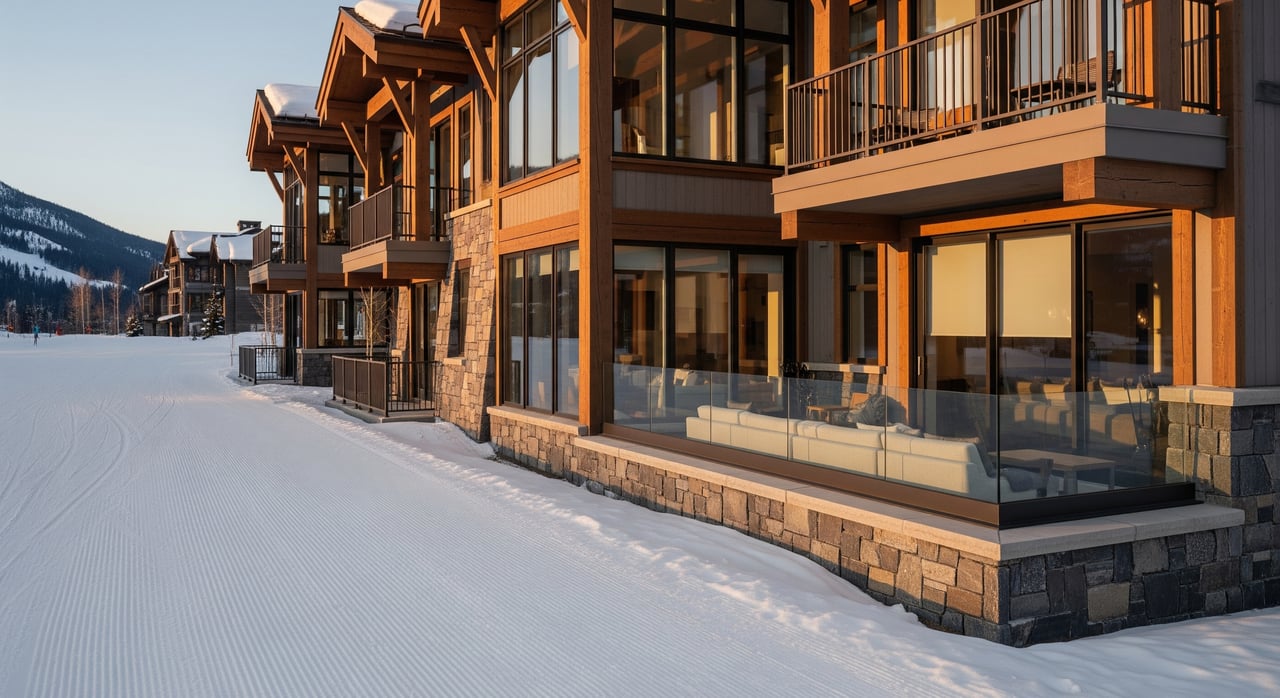
Teton Village Ski Condos with True Ski-In/Ski-Out Access
November 21, 2025
November 21, 2025
Clicking out of your bindings at your doorstep is the dream. Yet listings often blur what “ski-in/ski-out” really means in Teton Village, and the details matter for your lifestyle, rental strategy, and budget. You want clear guidance before you commit to a premium slope-side address. In this guide, you will learn how to define true ski access at Jackson Hole, compare condo-hotel and traditional condos, size up HOA fees, plan for rentals and taxes, and use smart checklists on tours. Let’s dive in.
“Ski-in/ski-out” is a marketing term, not a regulated one. In the Jackson Hole context, true ski-out means stepping from your door or building entry onto snow or a groomed path and gliding directly to a lift or run without using a road or shuttle. True ski-in means you can ski back to a defined building entry or designated ski access point, often ending at a ski locker room, marked skiway, or signed drop-off.
Be aware of gray areas. Some properties require a short walk, a road crossing, a shuttle ride, or a traverse that is steep or ungroomed. Before you write an offer, verify a continuous groomed route, ask who maintains it (resort or HOA), and confirm if access is seasonal or impacted during low snow years. Clarify any ski easements, and whether returning to the building requires crossing pavement or private land.
If you consider a condo-hotel, review the management agreement closely. Look for owner-use rules and blackout periods, revenue share and fees, marketing channels, performance history, and termination clauses. For any property, talk to a lender experienced with Jackson Hole resort condos to confirm loan options and project eligibility.
Your HOA determines services, costs, and flexibility, so request and read the full package. Core documents include CC&Rs, bylaws, rules, current budget, recent financials, reserve study, meeting minutes, insurance certificate, rental rules, pet policies, assessment history, and any capital projects calendar.
Typical inclusions in Teton Village HOAs include exterior maintenance, snow removal, common-area utilities, and sometimes bundled unit utilities like water, sewer, trash, cable or internet. Full-service buildings may offer front desk and concierge, ski storage, spa or fitness, pool, heated parking, and village shuttles, which drive fees higher. Ask about master insurance type, deductible amounts, and the HO-6 coverage you need.
Key questions to ask:
Studios and one-bedrooms are common entry points and perform well for short stays. Two to three bedrooms serve families and groups, and many mountain layouts add bunks or lofts for extra sleeping capacity. Lock-off designs let you rent a portion separately, which can boost flexibility and revenue.
Look for practical ski-day features. Dedicated ski lockers, a mudroom with boot dryers, in-unit or onsite laundry, and quick, well-lit circulation from entry to snow make a big difference. Consider parking type and proximity to your door in winter. For many buyers, proximity to lift and village amenities matters more than raw square footage.
Slope-adjacent buildings command a premium for convenience, yet they can have more foot traffic and noise during peak times. Properties a bit off the lift line may offer more privacy and easier parking while still staying walkable to dining and shops.
Snow conditions vary by elevation and exposure. Jackson Hole benefits from strong snowfall, yet lower village elevations can see midwinter melt events. Grooming patterns and avalanche mitigation influence which routes remain reliably skiable. Ask how specific skiways are marked and maintained and whether any access lines traverse avalanche-prone slopes.
For out-of-area owners, factor in travel logistics. Proximity to the Jackson Hole Airport and winter driving on Highway 22 can shape your routine. Many owners prioritize being in the village to simplify lift access and allow a car-light winter. In summer, plan for higher visitor traffic and multi-season rental demand.
Short-term rental rules differ by jurisdiction and can change. Before assuming nightly rental potential, confirm current zoning, permits, licensing, and tax remittance requirements for your specific address and property type. Expect to register, collect, and remit applicable lodging and sales taxes on short-term stays.
Rental income is taxable. You can typically deduct expenses, management fees, HOA dues, and depreciation under applicable tax rules for rental properties. The way you use the property can affect classification and deductions, so coordinate with your tax advisor.
Lenders treat resort projects and condo-hotels differently. Verify whether your target building qualifies for conventional underwriting, and plan for higher down payments if the unit is a second home or investment. Some lenders will not finance certain condo-hotel projects, so pre-qualification with a local, resort-savvy lender is wise.
Carry an HO-6 policy for interior finishes, contents, liability, and loss assessment coverage. Mountain properties face snow load, freeze, and falling ice risks. HOA master policy deductibles can be significant, so confirm the deductible and ensure your personal policy fills gaps.
Before you tour or make a shortlist, request and review:
When you walk the property, ask and observe:
Ask for and study:
The right Teton Village condo balances genuine ski access, a clear ownership model, predictable costs, and a rental plan that matches your goals. If you want help verifying skiways, decoding HOA budgets, and comparing condo-hotel versus traditional options, connect with a local expert who does this every day. Reach out to Meredith Landino to start your shortlist and schedule private tours.
Stay up to date on the latest real estate trends.