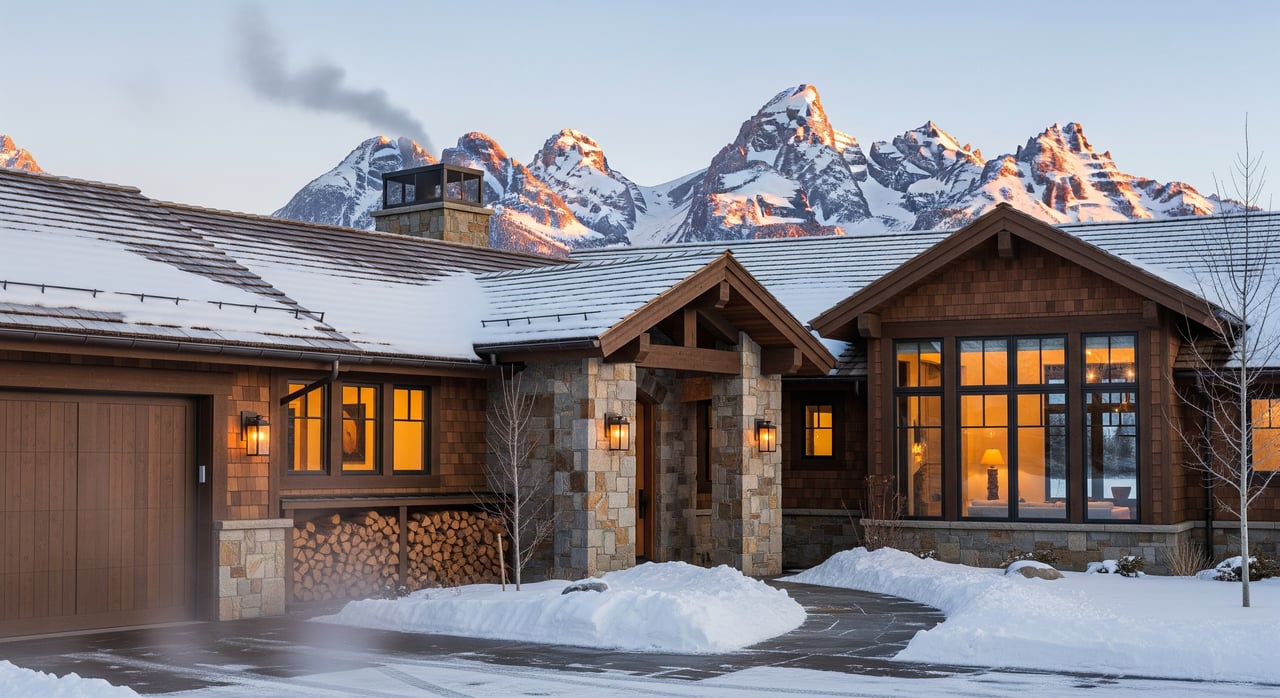
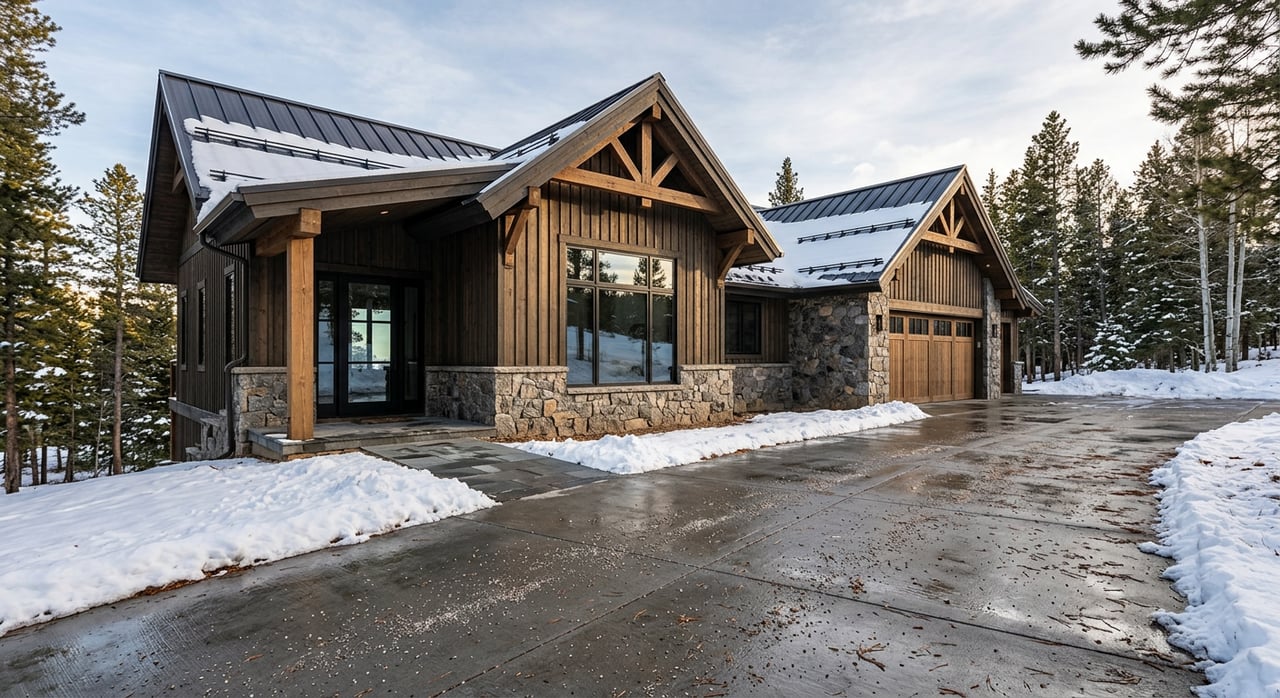
Winter settles into Westbank and Wilson early and stays late, with deep cold, heavy snow, and long nights that test every system in your home. If you live part time or manage your property from afar, that can feel stressful. The good news is a clear plan goes a long way. In this guide, you’ll get a practical, local checklist to protect your roof, plumbing, heat, access, and insurance coverage, plus tips to coordinate caretakers and tech so you can arrive to a warm, ready home. Let’s dive in.
Why winterizing matters here
Wilson sits in a mountain valley where repeated freeze-thaw cycles and heavy storms are normal from late fall through spring. The National Weather Service reports sustained sub-freezing periods and multiple snow events for the Jackson Hole area each winter, which is why timing and preparation matter. Check local patterns through the National Weather Service for Jackson Hole to plan around incoming weather. You can monitor storm setups and cold snaps on the National Weather Service Jackson forecast page.
If your property sits near slopes or wind-loaded terrain, drifting and localized snow loads can be significant. For homes near steep approaches or backcountry driveways, keep an eye on regional avalanche conditions through the Bridger-Teton Avalanche Center.
Roof and snow management
Your roof is your first line of defense. Heavy snow and ice dams cause leaks and structural strain if not managed.
- Confirm roof design and capacity with existing records. For renovations or concerns, consult a structural engineer who knows Teton County standards and permitting through the Teton County Building Department.
- Clean gutters and downspouts before the first freeze. Consider snow guards on metal roofs to reduce dangerous slides onto pathways.
- Prevent ice dams by improving attic insulation and ventilation so the roof stays cold. Heat tape is a last resort and should be installed by a licensed electrician. Energy.gov explains the causes and fixes in its overview on preventing ice dams.
- After big storms, schedule professional roof snow removal. Steep or complex roofs are not DIY in icy conditions. Keep a standing contract with a vetted crew and document service dates and photos for insurance.
Protect plumbing and water
Frozen pipes are one of the most common and costly winter claims. A few steps reduce risk even if you are away.
- Identify your water source. Many Westbank properties use private wells. The EPA has practical tips for care and winter operation of private wells.
- Insulate exposed pipes in garages, crawl spaces, and utility rooms. Add smart leak sensors near boilers, under sinks, and near water heaters.
- Drain and winterize irrigation lines and exterior hose bibs. Have a professional blow out irrigation systems.
- Choose a vacancy plan that fits your use:
- Maintain a safe interior setpoint, often 55 to 60 degrees, with remote monitoring, or
- Fully winterize by shutting and draining domestic water, then protect closed loops with the proper antifreeze mix as approved by your HVAC and plumbing contractors, or
- Use a caretaker to run water and check temperatures regularly.
- Radiant and hot water recirculation lines need manufacturer-approved protection. Do not add antifreeze without professional guidance.
Heat, fuel, and backup power
Your heating system and fuel plan need to be dialed before the first hard freeze.
- Service boilers and furnaces in early fall. Confirm combustion, pumps, and controls are operating properly.
- If you use propane or heating oil, set up automatic delivery or minimum fill agreements. Consider tank-level sensors that send mobile alerts.
- Plan for outages. Many owners install standby generators with automatic transfer switches sized for critical loads like the boiler, well pump, sump, security, and climate control for wine or art storage. If you rely on a portable generator, follow CPSC portable generator safety to prevent carbon monoxide risks and position exhaust safely.
- Test smoke and carbon monoxide detectors and replace batteries on a set schedule.
Driveway and access planning
Fast-changing storms can block access and overwhelm plowing schedules if you wait to book service.
- Contract with a local plowing provider before the first snow. Confirm response times, storm priorities, and where snow will be stacked to protect sightlines, utilities, and septic fields.
- If you have a gated entry, test cold-weather operation. Add a battery backup or a clear manual release and keep instructions with your caretaker.
- For long or steep drives, discuss traction strategies with your contractor. Heated pads at thresholds can help in targeted areas, but they require careful planning.
- Stay informed about county road operations and closures via Teton County Public Works and Roads. For properties near avalanche terrain, coordinate access plans using the Bridger-Teton Avalanche Center.
Seal the envelope and landscape
Small gaps and weak seals become big problems when wind and ice arrive.
- Inspect and seal exterior penetrations, window frames, and door sweeps. Add weatherstripping where needed.
- Trim trees and remove dead branches near structures. Secure outdoor furniture and grills.
- Keep combustion and dryer vents clear of snow. Protect outdoor mechanicals and propane tanks from drifting and snow stacking.
Safeguard specialty systems
Luxury homes often include equipment that needs extra care.
- Wine cellars and climate-sensitive collections require uninterrupted control. Put these circuits on your critical-load plan and monitor temperature and humidity remotely.
- Spas and pools need either full winterization or freeze protection modes. Follow manufacturer guidance and keep covers in good condition.
- Home automation can be a game changer. Integrate leak sensors, thermostats, cameras, and tank monitors so you and your caretaker see the same alerts.
Plan for wildlife and pests
Wildlife is part of living in Wilson. Winter increases rodent pressure and can bring late fall bear activity.
Hire and document your team
If you manage from afar, a reliable caretaker and clear contracts reduce stress.
- Define roles in writing. Specify inspection frequency, photo reports, temperature thresholds that trigger a site visit, and who calls which contractor.
- Verify insurance and licensing for all providers. Ask for Jackson and Teton County winter references.
- Create an electronic home file with manuals, serial numbers, shutoff locations, vendor contacts, and utility account info. Share secure access instructions and update when codes change.
- Build a pre-arrival checklist so your home is warm, safe, and stocked when you land.
Insurance, codes, and permits
Your policy and local codes shape what you must do, especially for seasonal use.
- Many policies include vacancy or seasonal-use clauses. These can require maintained heat or routine inspections. Review your policy and document compliance. The Insurance Information Institute offers tips to protect against freezing pipes.
- Structural work, standby generators, and exterior mechanical installs typically require permits and inspections. Start with the Teton County Building Department to confirm requirements.
Timeline and checklists
Use these seasonal milestones to stay ahead of the weather.
Pre-winter: late Sept to mid Oct
- Service heating systems and clean chimneys. Confirm combustion and controls.
- Inspect the roof, gutters, and downspouts. Schedule cleaning.
- Trim trees near the home. Secure loose exterior items.
- Insulate exposed pipes and install leak and temperature sensors.
- Drain and blow out irrigation systems.
- Confirm propane or fuel contracts and delivery schedules.
- Test remote monitoring and home internet or cellular connections.
- Renew caretaker and snow-removal contracts. Document the home’s condition with photos.
Early winter: November
- Activate caretaker inspections and reporting.
- Test driveway gates and confirm plow readiness.
- Store or secure patio furniture and grills.
- Verify snow guards and any heat tape at eaves where installed.
Mid-season: December to February
- Review weekly or biweekly caretaker logs for interior temperature, leaks, and utility reads.
- Monitor fuel levels and delivery dates.
- After major storms, confirm roof and entry safety photos from your contractor.
Pre-arrival: 48 to 72 hours out
- Clear the driveway and stack snow away from entries and mechanicals.
- Raise interior heat to your comfort setting and stabilize humidity.
- Turn on hot water, verify wine cellar and specialty system settings.
- Flush toilets, run faucets, check water pressure, and confirm security systems.
- Stage supplies if requested and send an arrival photo report.
Remote monitoring that works
Small, smart devices protect you from big surprises.
- Smart thermostats with low-temperature alerts and remote control.
- Water leak and freeze sensors in mechanical rooms, kitchens, baths, and near sumps.
- Propane tank-level sensors that notify you and your supplier.
- Cameras with reliable power backup and event-based notifications.
- A secure cloud folder for photos, service logs, invoices, and manuals.
Your next step
Winter can be beautiful and effortless when your home is prepared. If you are buying, selling, or planning for your next season in Westbank or Wilson, connect with a local advisor who understands the rhythms of Teton County and has trusted contractor relationships. For tailored guidance and introductions to vetted local pros, reach out to Meredith Landino.
FAQs
What temperature should I set in a vacant Wilson home?
- Many owners maintain 55 to 60 degrees with remote monitoring and caretaker checks, or fully winterize by draining water systems per licensed contractor guidance.
How can I prevent ice dams on my Westbank roof?
- Improve attic insulation and ventilation first, clean gutters, and use professionally installed heat tape only as a last resort, following Energy.gov guidance on ice dams.
Do I need a generator for outages in Teton County?
- Outages can happen during storms, so many second-home owners install standby generators sized for critical loads and follow CPSC portable generator safety if using portables.
What should I do about driveway access during heavy snow?
What insurance steps apply to seasonal homes in Wilson?
- Review vacancy or seasonal-use clauses, keep heat or inspection schedules as required, and document compliance. See the Insurance Information Institute on freezing pipe prevention.
Where can I check local weather and avalanche conditions?