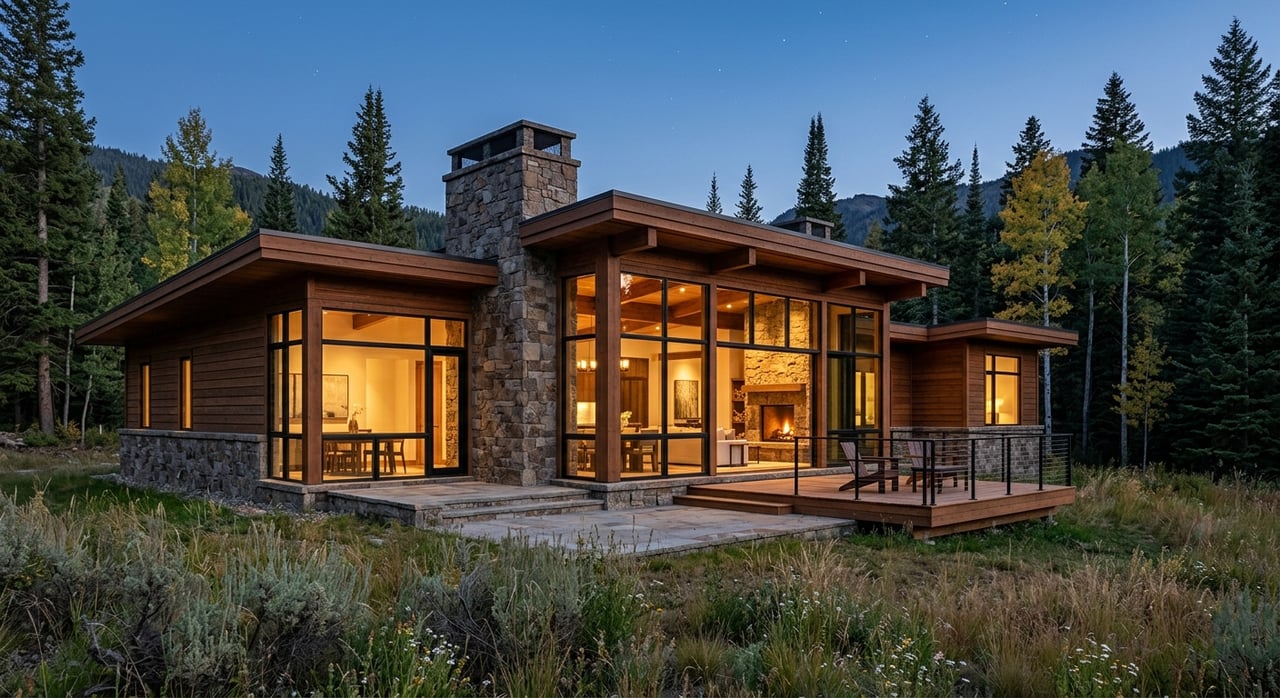
Living North Of Jackson Near The Parks
April 2, 2026
April 2, 2026
If you picture Jackson Hole life as equal parts wild landscape and daily routine, living north of Jackson near the parks may be exactly what you are looking for. This part of the valley offers quick access to Grand Teton National Park, a quieter service base, and a day-to-day rhythm shaped by scenery, wildlife, and the seasons. If you are considering a move, a second home, or a property search in this area, understanding how it actually lives is key. Let’s dive in.
North of Jackson, the experience shifts from town-centered to landscape-led. The Moose area serves as a gateway between Jackson and Grand Teton National Park, with access to the Snake River, trailheads, historic sites, and wide views of the Teton Range, according to the National Park Service’s Moose area guide.
That setting shapes daily life in a very real way. Grand Teton National Park spans nearly 310,000 acres and includes the northern half of Jackson Hole, so open space is not just a backdrop here. It becomes part of how you plan your mornings, your errands, and even your evenings.
For many buyers, the appeal is simple. You are close to Jackson, but your surroundings feel more immediate, scenic, and tied to the park corridor.
This area can be especially compelling if you value:
That tradeoff comes with practical considerations too. Nearby services are more limited than in Jackson, and winter access requires more planning.
One of the biggest advantages of living north of Jackson is how easy it is to build the outdoors into your normal week. In Moose, the Craig Thomas Discovery and Visitor Center provides access to trailheads, and the National Park Service highlights the Murie Ranch hike as an easy day hike.
You also have quick access to some of the area’s most recognized stops. The Moose corridor guide highlights places like Mormon Row, Menors Ferry, and Snake River Overlook, all of which help define the scenery and rhythm of this stretch north of town.
This is a strong fit if you like the idea of stepping out for a short outing instead of planning a full-day excursion every time. A walk, a scenic drive, or a quick stop at a historic site can be part of an ordinary day.
That convenience matters for both full-time residents and second-home owners. It supports a lifestyle where nature feels close and usable, not occasional.
Shoulder seasons can still support walking and biking in the park corridor. The National Park Service notes that Grand Teton’s paved pathways are open when mostly free of snow and ice, though they are not available at night.
That means your routine may stretch well beyond peak summer, but it still depends on weather and daylight. In this part of Jackson Hole, seasonal shifts are not a footnote. They shape how you move through the landscape.
One of the clearest differences in this area is that wildlife is not just something you hope to see on a weekend drive. It is part of the environment you live in every day.
The National Park Service says Moose is home to black and grizzly bears, moose, elk, and other large animals, and bears are often seen on trails and in developed areas. Park guidance says to keep 100 yards from bears and wolves and 25 yards from all other wildlife, as noted in the Moose planning page.
If you live near the parks, awareness becomes habit. The National Park Service also states that bears are active throughout Grand Teton and that an encounter can happen anytime and anywhere.
In practical terms, that often means carrying bear spray on trails, making noise while hiking, and storing food carefully. Buyers considering this area should see that as part of the lifestyle, not an exception to it.
Wildlife activity can shape your daily rhythm too. According to the National Park Service, dawn and dusk are the best times to view wildlife from a car along most park roads, while bison and pronghorn are active throughout the day on the Antelope Flats to Kelly loop road, as outlined in the Moose area guide.
That creates a setting where the natural environment often sets the pace. For many homeowners, that is a major part of the appeal.
Living north of Jackson also means darker nights and a stronger connection to the sky overhead. Grand Teton National Park reports that it has minimal light pollution and actively works to protect night skies through ongoing stewardship efforts on night-sky preservation.
Teton County adds to that identity. The county reports it is the first county entity in the world to achieve International Dark Sky Certification and has committed to bringing county-owned exterior fixtures to Dark Sky standards by 2030.
This is not just a policy detail. It changes how evenings feel.
National Park Service visitor surveys found that 83% of respondents said night-sky viewing was important to their experience, 68% prioritized wildlife-friendly lighting solutions, and 86% preferred the lowest-intensity lighting, according to the park’s night skies resource page. If you are drawn to quiet evenings, visible stars, and less glare, that character is a meaningful part of living near the parks.
Lifestyle in this area is not fully remote from services, but it is also not built around a broad commercial base. In Moose, the National Park Service notes a small service cluster that includes a visitor center, post office, headquarters, entrance station, and Dornans for food, fuel, shops, rentals, camping equipment, and lodging on the Moose area page.
For a wider range of restaurants, shopping, and lodging, the same source points buyers toward Jackson, Teton Village, and Wilson outside the park. That means living north of Jackson often involves balancing immediacy to nature with a more limited nearby services base.
For some buyers, that is a benefit. Fewer nearby services can reinforce the quieter, park-adjacent feeling that draws people here in the first place.
For others, it means being more intentional about errands, dining, and logistics. If you are exploring this area, it helps to think honestly about how often you want quick access to broader in-town amenities.
Year-round access is possible, but winter changes how this area functions. Grand Teton National Park is open year-round, though the National Park Service says some areas are inaccessible by car from roughly November through May, and road conditions can change quickly.
The main highways, US 89/191 and US 26/287, are plowed for winter travel from Jackson to Flagg Ranch. Even so, roads can still be icy, snow-packed, and affected by whiteout conditions.
Seasonal closures are a defining part of life near the parks. The National Park Service says Teton Park Road closes from November 1 to April 30 between Taggart Lake Trailhead and Signal Mountain Lodge, and Moose-Wilson Road closes from November 1 until mid-May on the unplowed segment from Death Canyon Road to Granite Canyon Trailhead, according to current road status information.
At the same time, some closures open up winter recreation opportunities. Teton Park Road is groomed for skiing, snowshoeing, and hiking in midwinter, which can add a different kind of access for those who enjoy cold-season routines.
Winter access can also shift because of wildlife management. The National Park Service outlines seasonal wildlife closures in certain areas around the Snake River, Buffalo Fork River, and Kelly Hill during specific winter windows.
It is also worth noting that the park lists 2026-2027 construction affecting Moose-Wilson Road, Death Canyon Road, and the Moose entrance roundabout, with detours and delays expected. For buyers and property owners, this is a reminder that access near the parks can be dynamic and worth monitoring.
Living north of Jackson near the parks tends to work best for buyers who want the landscape to play a leading role in daily life. If your ideal routine includes easy trail access, scenic drives, wildlife awareness, and darker nights, this area may feel like a natural fit.
It can also appeal to second-home buyers who want a strong sense of place and immediate connection to Grand Teton National Park. The key is understanding the tradeoff clearly: you gain close proximity to scenery, trailheads, and open space, while taking on more seasonality, more wildlife awareness, and a smaller local services base.
If you are seriously considering property north of Jackson, it helps to evaluate the area through both a lifestyle lens and a practical one. Think about your comfort with winter driving, your expectations for nearby amenities, and how much you value park access as part of your everyday experience.
That kind of clarity can make your search more focused and more rewarding. If you want guidance on how different Jackson Hole micro-markets compare, Meredith Landino offers thoughtful, locally grounded insight to help you explore the area with confidence.
Stay up to date on the latest real estate trends.