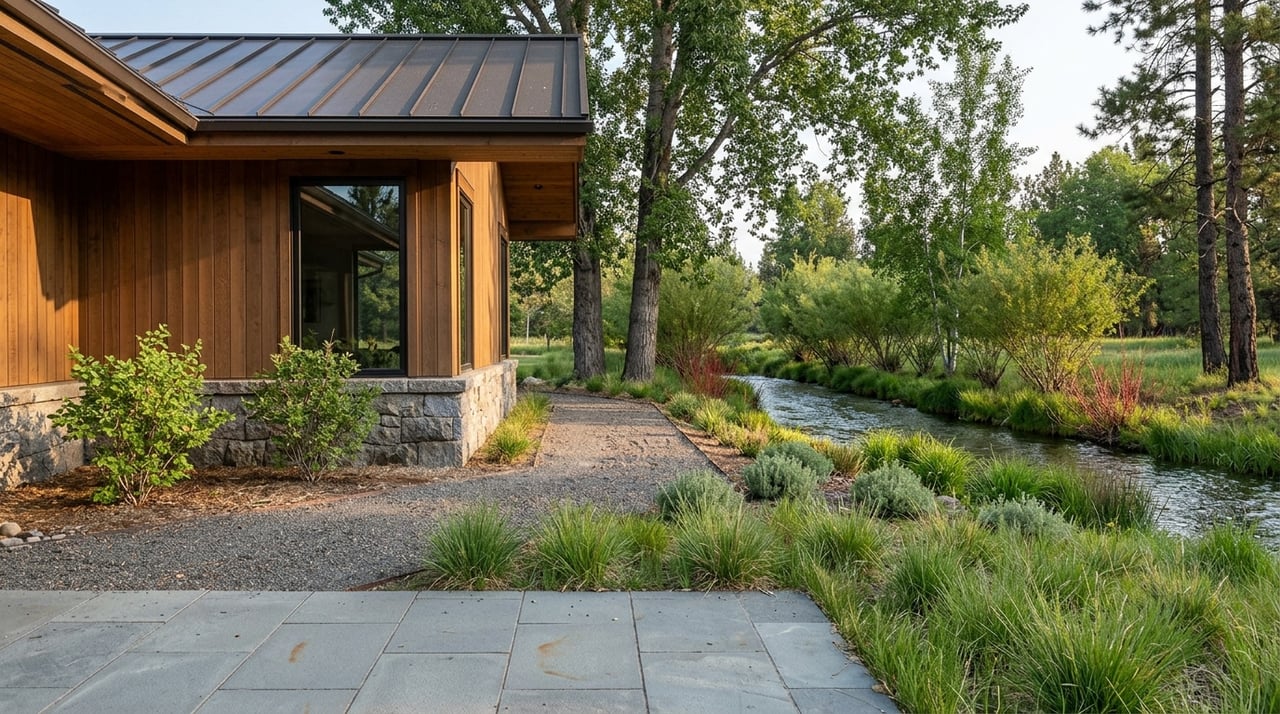
River And Ranch Properties North Of Wilson: A Buyer Guide
May 14, 2026
May 14, 2026
You do not buy a river or ranch property north of Wilson the same way you buy a home in a typical neighborhood. Here, a beautiful parcel can come with stream setbacks, wildlife constraints, private-road questions, water-right issues, and development limits that shape what you can actually do with the land. If you are exploring this part of Teton County, this guide will help you understand the property types, the biggest due-diligence items, and what to look for before you fall in love with a view. Let’s dive in.
North of Wilson sits in a transition zone between village-adjacent neighborhoods and lower-density rural land. In practical terms, that means you may see everything from smaller platted homesites to 3-acre-plus parcels and much larger ranch holdings within the broader Wilson-to-Teton Village corridor.
That mix is part of what makes the area appealing. You can find properties with a more neighborhood feel, as well as parcels that offer more space, privacy, and a stronger connection to open land and river corridors.
Teton County planning language describes nearby South Wilson as a stable subarea shaped by wildlife movement and larger lots, with density around one detached home per 3 acres or more. The county also notes that this area serves as a corridor linking the Teton Pass area, Fish Creek, and the Snake River, which helps explain why land-use rules here often reflect both rural character and environmental sensitivity.
One of the first surprises for buyers is how much parcel sizes can vary from one property to the next. In nearby platted neighborhoods, lots can be much smaller. For example, Teton County has described Wilson Meadows as a 75-lot development with lots ranging from 0.25 to 2.6 acres.
By contrast, the county’s rural zoning framework commonly starts land division options at 35 acres in some areas. As a buyer, you should expect a wide spectrum: smaller buildable homesites, transition parcels around 3 acres or more, and larger legacy ranch properties with a very different ownership and planning profile.
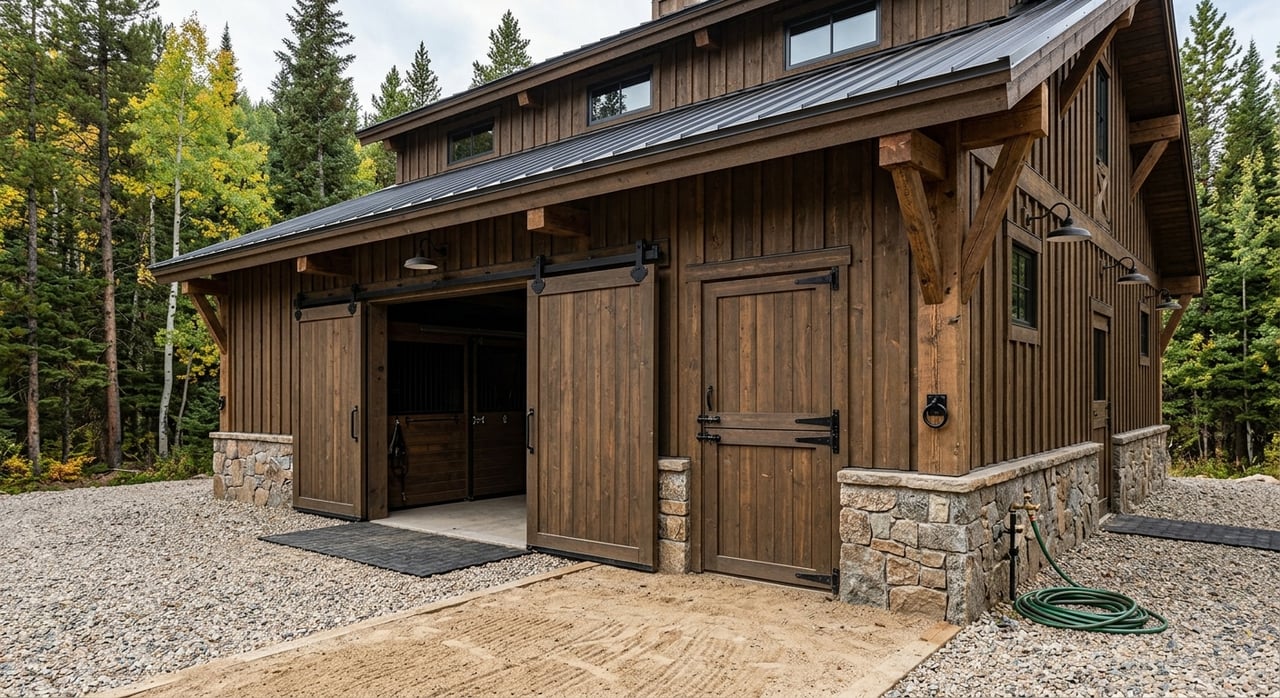
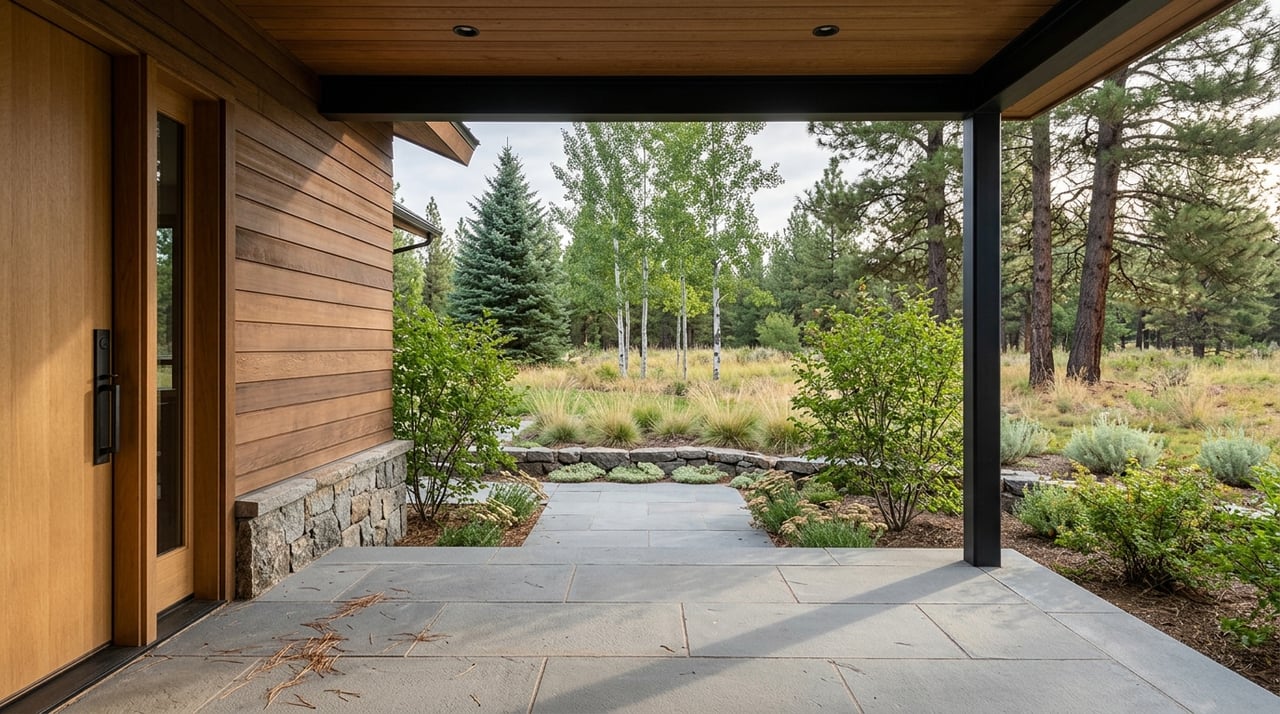
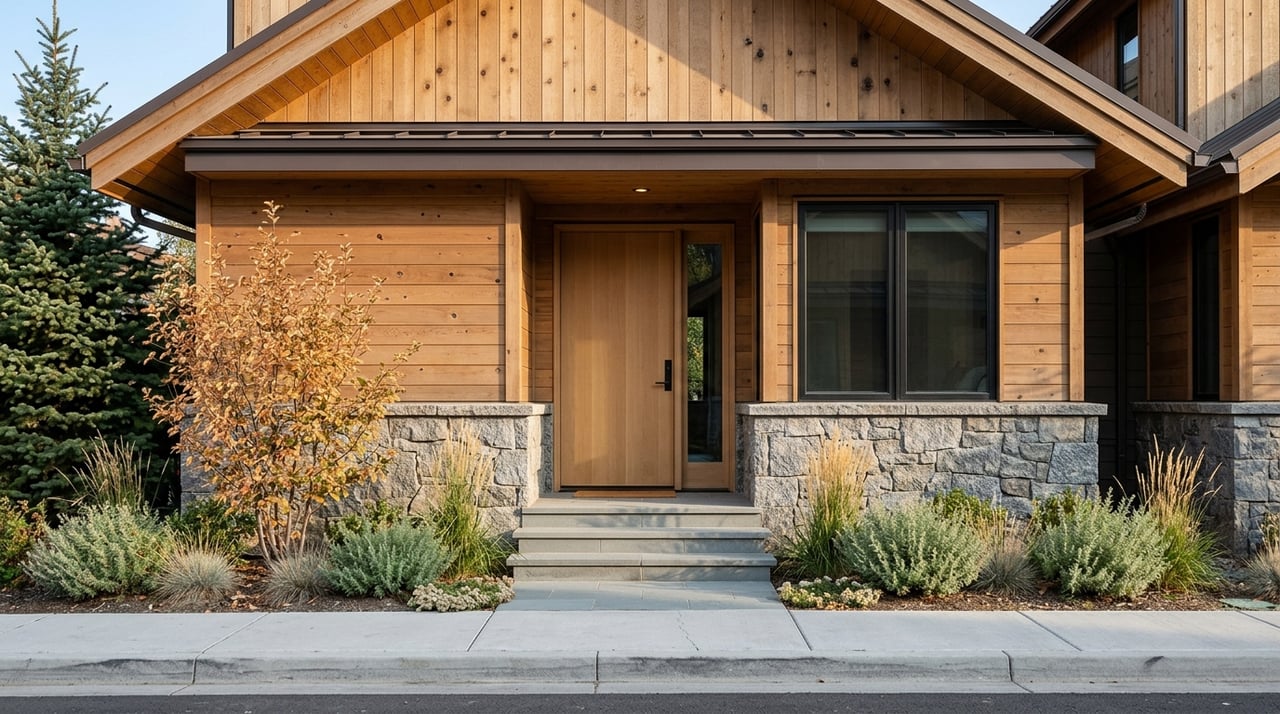
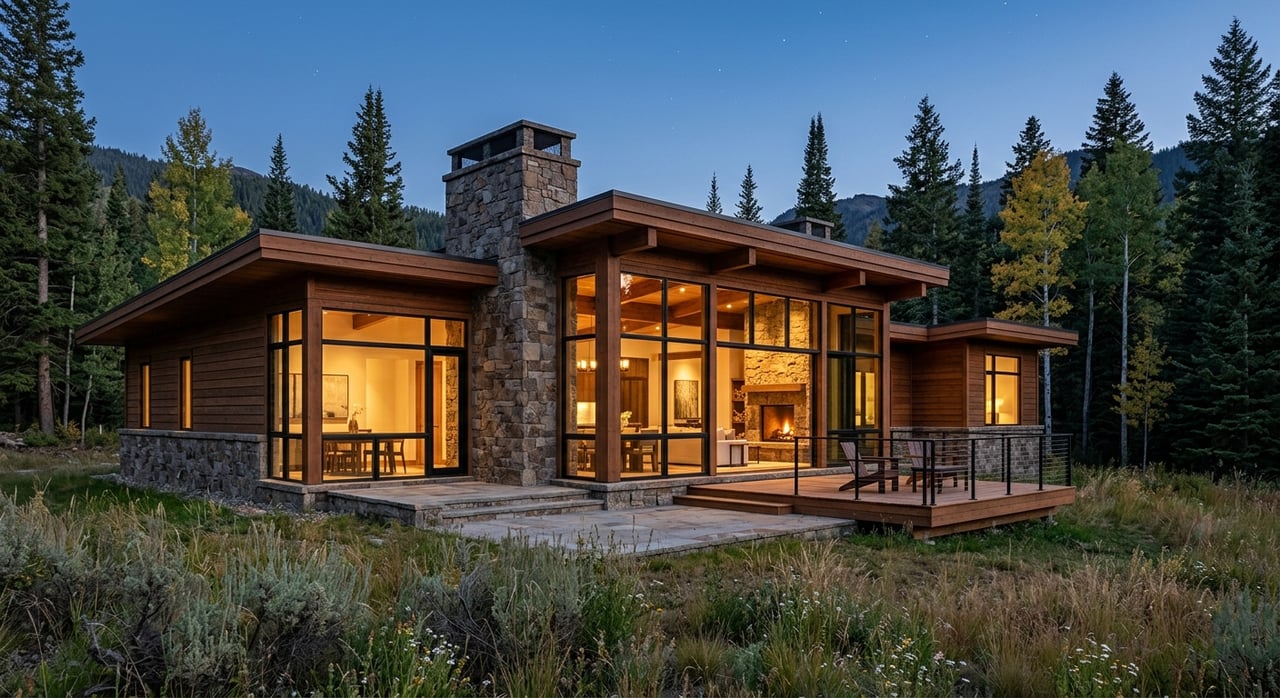
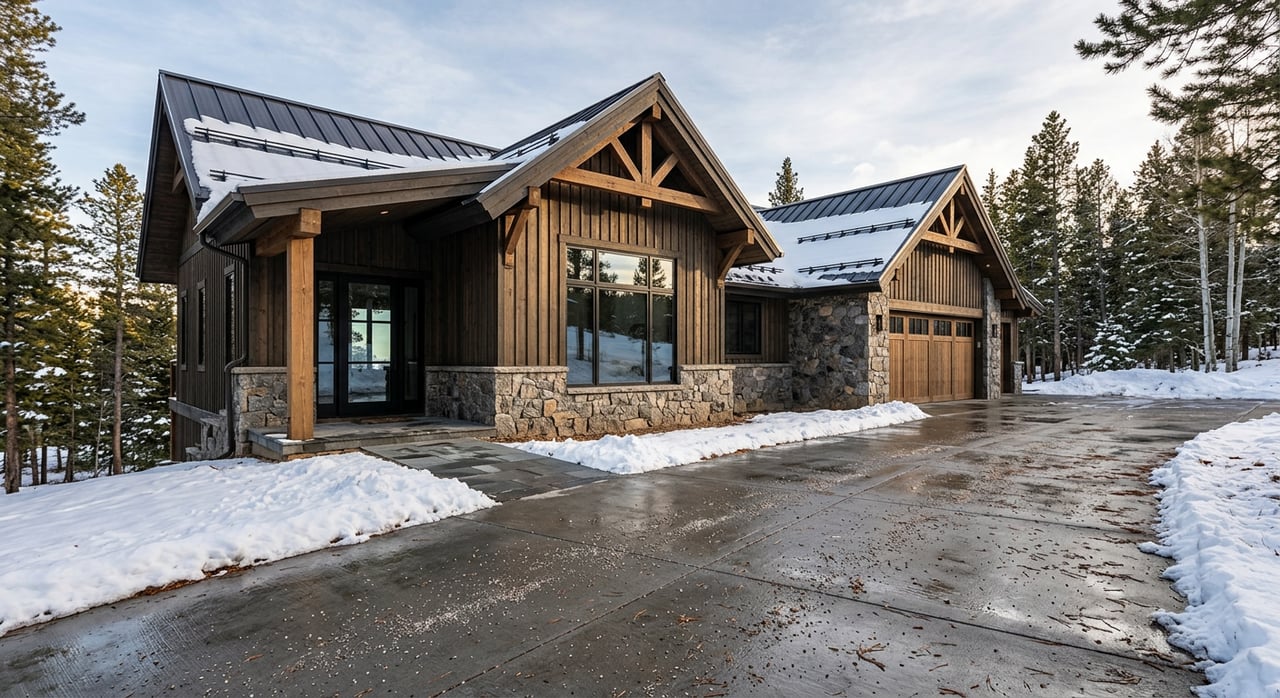
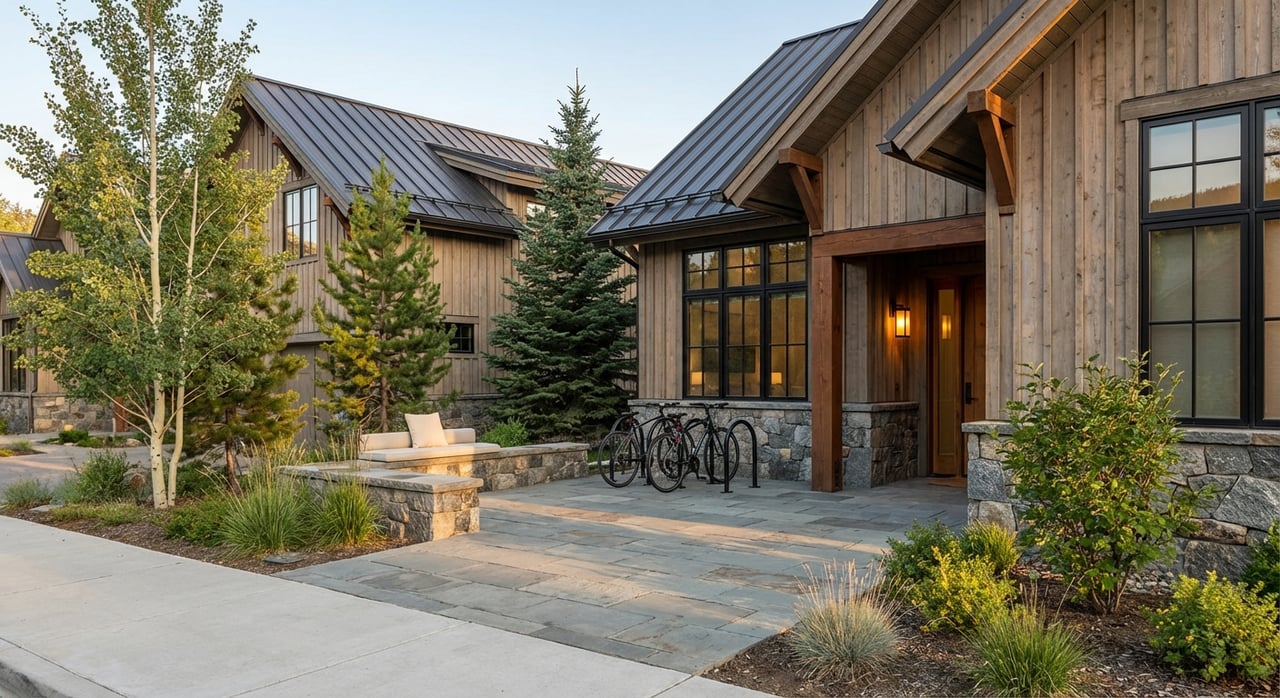
If you are picturing a sleek, high-gloss urban statement home, it is important to understand that county standards lean in a different direction. Teton County zoning language emphasizes non-reflective exterior surfaces, earth-tone colors, low-profile lighting, and wildlife-friendly fencing.
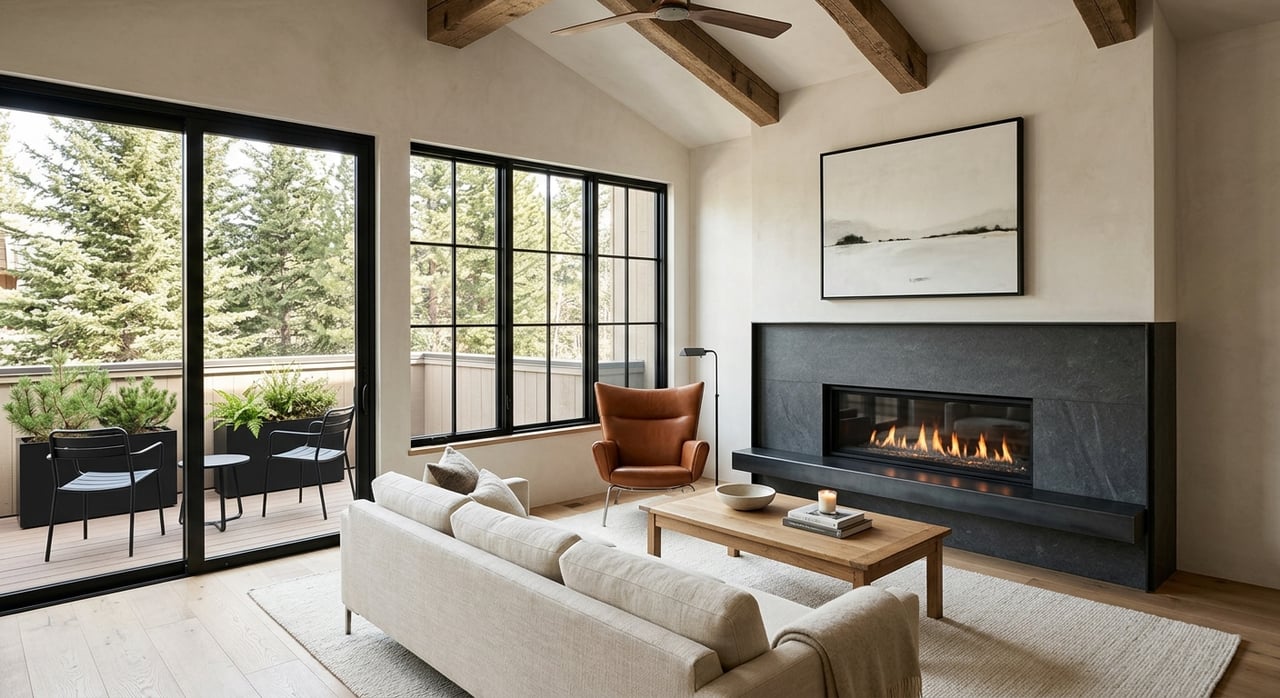
In practice, that tends to support mountain-ranch, rustic, and restrained contemporary design. The most successful properties in this area usually feel tied to the landscape rather than set apart from it.
River and creek proximity can be one of the most compelling features north of Wilson, but it also comes with strict limitations. Teton County requires significant setbacks: 150 feet from rivers, 100 feet from perennial or intermittent streams, 30 feet from ephemeral streams, and 50 feet from wetlands.
Those buffer areas must remain free of development. That includes structures, fences, grading, storage, and septic or water-supply facilities. For buyers, this means a parcel that looks large on paper may have a much smaller practical building area once setbacks are applied.
Before you get too far into design ideas, confirm where development is actually allowed. On some parcels, the usable development area may already be shaped by plat notes, setback rules, or a recorded conservation easement.
Teton County notes that a recorded conservation easement can define the development area of a parcel. A local land trust also explains that conservation easements run with the land and do not make the property public, so these documents are important to review carefully rather than assume they work like public access rules.
Water is one of the most misunderstood parts of buying ranch or river property in Wyoming. Wyoming follows prior appropriation, not riparian rights. That means a stream or ditch crossing the property does not automatically give you the right to use that water.
The Wyoming State Engineer explains that water rights are property rights that transfer with the sale of the property to which they are attached. The office also notes that a permit does not create a right-of-way across another person’s land, and direct-flow rights attach to the point of use rather than simply to a person’s name.
For any property where irrigation, stock water, ditches, wells, or surface water matter, review the records carefully. A beautiful water feature and a legally usable water right are not always the same thing.
At a minimum, your due diligence should include:
In this market, access is not just a logistical detail. It is a core part of value and livability. Teton County requires a Road Access Permit to construct a driveway off a county road, and the county only contracts snow removal on county roads.
If a property is served by a private road, do not assume winter maintenance is handled the same way it would be in town. You should verify who maintains the road, whether there is a recorded access easement, and whether a road association or shared maintenance agreement governs the route.
A quick conversation up front can save a lot of frustration later. Ask for clear answers to these points:
Rural infrastructure north of Wilson often works very differently from what you would expect on a town lot. County guidance says all utilities must be installed underground, and water and wastewater solutions may depend on the property’s location and distance to public sewer.
Depending on the parcel, service may involve public sewer connection, central supply, or an individual well and onsite wastewater solution. That is why utility feasibility should be part of your early review, not something left for later.
The county also defines site development broadly. Driveways, corrals, regularly disturbed areas, and outdoor storage can all count toward development area, which can affect how much room you have left for the home and other improvements.
North of Wilson offers a remarkable natural setting, but the landscape is active wildlife habitat, not just scenery. County planning language identifies this broader area as a wildlife corridor, and county materials note that the Snake River riparian corridor and nearby transportation routes intersect critical habitat.
That has practical consequences for property ownership. Teton County requires wildlife-friendly fencing on new fences, prohibits feeding wildlife, and requires bear-resistant trash containers countywide.
As of January 1, 2025, the county also says all private parcels in Teton County and the Town of Jackson fall within the adopted Wildland Urban Interface map. For buyers, that means fire readiness and defensible planning should be part of the conversation from the beginning.
If you are considering a river or creek parcel, floodplain review should be one of the first items on your checklist. Teton County directs buyers to use its GIS floodplain layer for exact mapping.
This is especially important before planning new improvements. Floodplain status can affect where you build, what approvals are needed, and how a site functions seasonally.
As of May 1, 2025, Teton County requires a Natural Resource Assessment before any physical development permit or new use in the county. The county uses a tiered Natural Resources Overlay map and directs buyers to use its GIS map server to check zoning, overlay, floodplain, and related layers before planning improvements.
For buyers, this means due diligence is no longer just about the home or land itself. It is also about understanding the county review framework that may apply before future work can begin.
Pricing for river and ranch properties north of Wilson can vary dramatically by size, location, access, water, and development potential. Wyoming is a non-disclosure state, so sale prices are not published as public information. That is one reason local market reporting plays such an important role in building pricing context.
Recent local brokerage reporting for the Wilson-to-Snake-River corridor suggests a broad pricing ladder rather than fixed bands. Smaller buildable homesites often fall in the low-to-mid seven figures, desirable multi-acre parcels can move into the mid-seven figures, and legacy riverfront or ranch holdings may extend well into eight figures.
The same reports noted a Jackson Hole vacant land median sale price of $1.85 million in 2025, with nearly 30 percent of land sales closing above $3 million. They also reported an average land sale price of about $3.34 million, an average of 227 days on market, and examples ranging up to a 70-acre Snake River frontage sale at $17.8 million.
These figures are best used as market context, not as a substitute for property-specific analysis. In this segment, two parcels with similar acreage can have very different value based on setbacks, easements, access, and buildability.
If you are serious about buying north of Wilson, your first pass should go beyond the listing sheet. The goal is to understand not just what the property is, but what it allows.
A practical checklist includes:
Some buyers also ask about agricultural classification. In Teton County, the county requires an affidavit and separate eligibility criteria. The land must not be part of a platted subdivision, and in some cases 35-acre subdivision parcels must also meet the statutory test.
If that issue matters to your ownership goals, it is worth confirming early with the county based on the specific parcel rather than making assumptions from acreage alone.
River and ranch properties north of Wilson can be extraordinary, but they are rarely simple. The same features that make a parcel special, such as river frontage, open land, wildlife movement, and rural privacy, can also shape setbacks, approvals, access, and future plans.
That is why local, property-level guidance matters. You want to look beyond the postcard view and understand how county rules, recorded documents, and physical conditions come together on one specific piece of land.
If you are considering a property north of Wilson and want a clear, concierge-level read on what to look for, connect with Meredith Landino for local insight tailored to your goals.
Stay up to date on the latest real estate trends.