Estate And Equestrian Living South Of Wilson
May 21, 2026
May 21, 2026
If you picture Jackson Hole living as equal parts open land, daily trail access, and a quieter pace, South Wilson deserves a closer look. This pocket south of Wilson’s commercial core offers a different kind of luxury, one shaped less by crowds and more by space, views, and a strong connection to the land. If you are exploring an estate property, a horse-friendly setting, or simply a more private base near Wilson, this guide will help you understand what makes the area distinct. Let’s dive in.
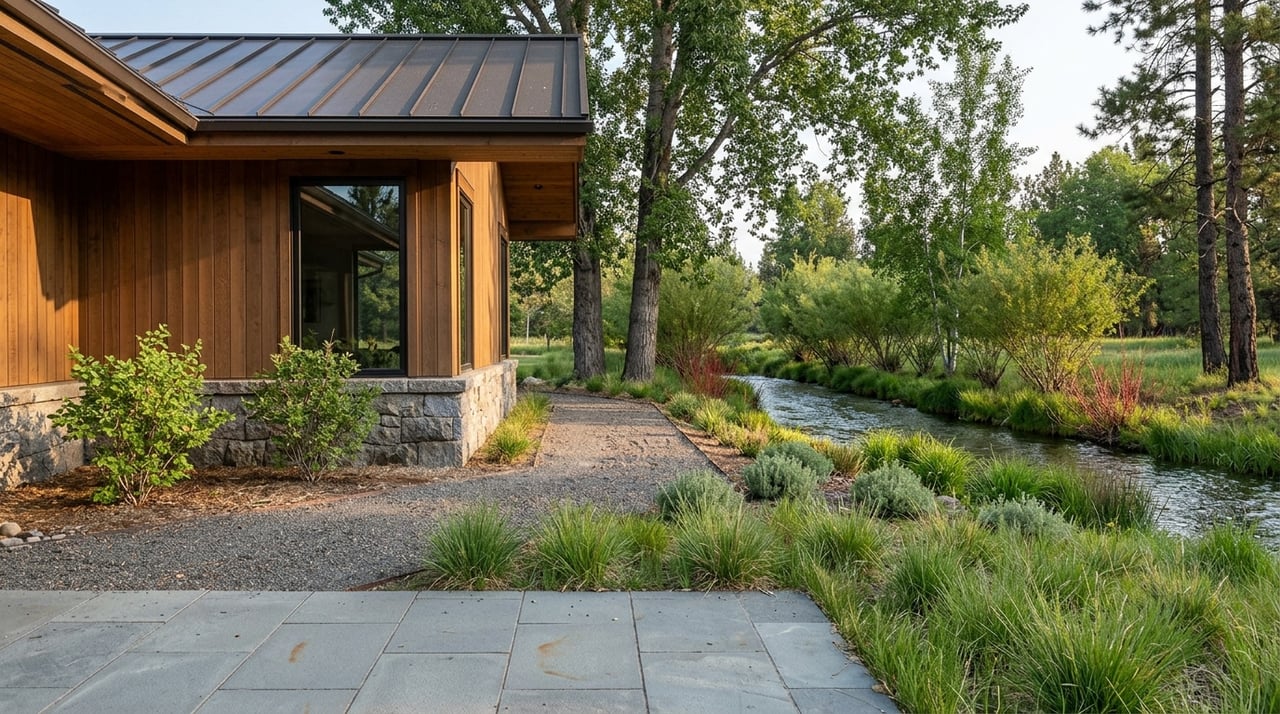
South Wilson reads as the lower-density edge of the Wilson area, with a more spacious residential pattern than the village core. Teton County planning documents describe it as less developed than the subareas to the north, with larger lots and one detached residential unit per three acres or more. That land-use pattern helps create the sense of privacy, open sky, and breathing room that draws many buyers to this part of the valley.
The area is also shaped by natural systems, not just homesites. County planning highlights a wildlife corridor linking Teton Pass to Fish Creek and the Snake River, along with Fish Creek, Edmiston Spring Creek, and nearby wetlands as important features to protect and enhance. For you as a buyer, that means South Wilson feels intentionally spacious and conservation-minded, not simply undeveloped.
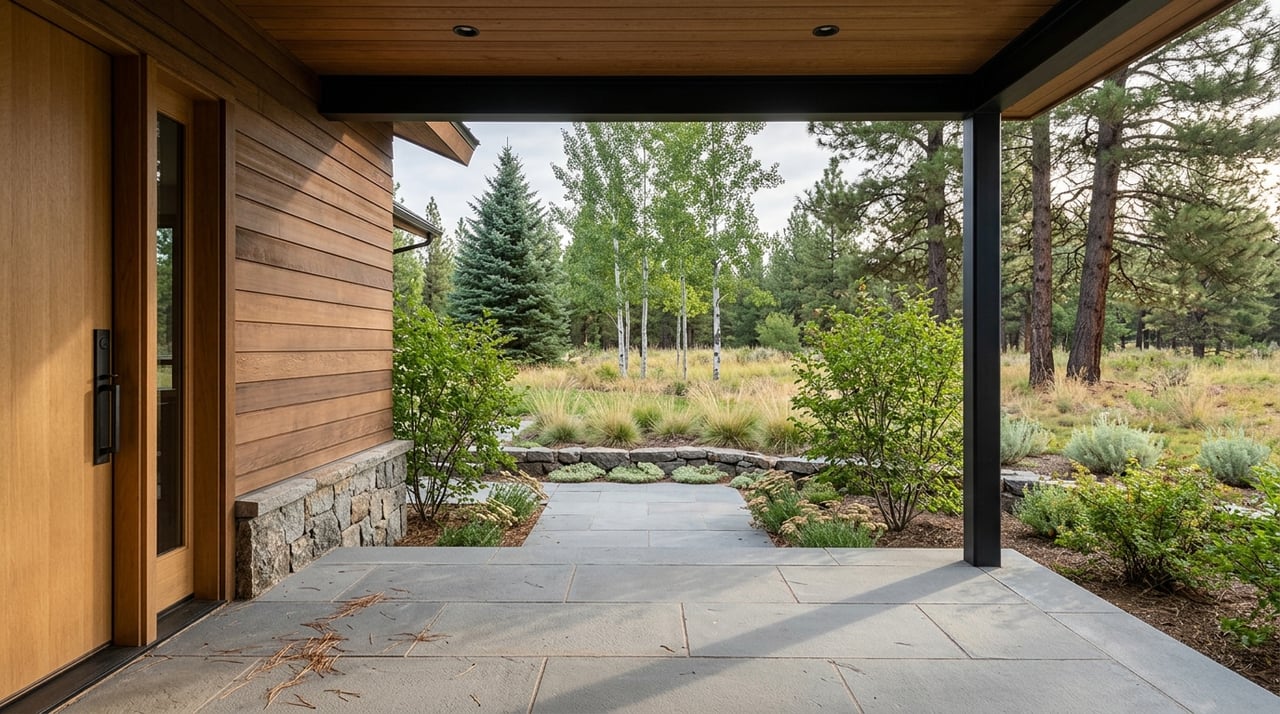
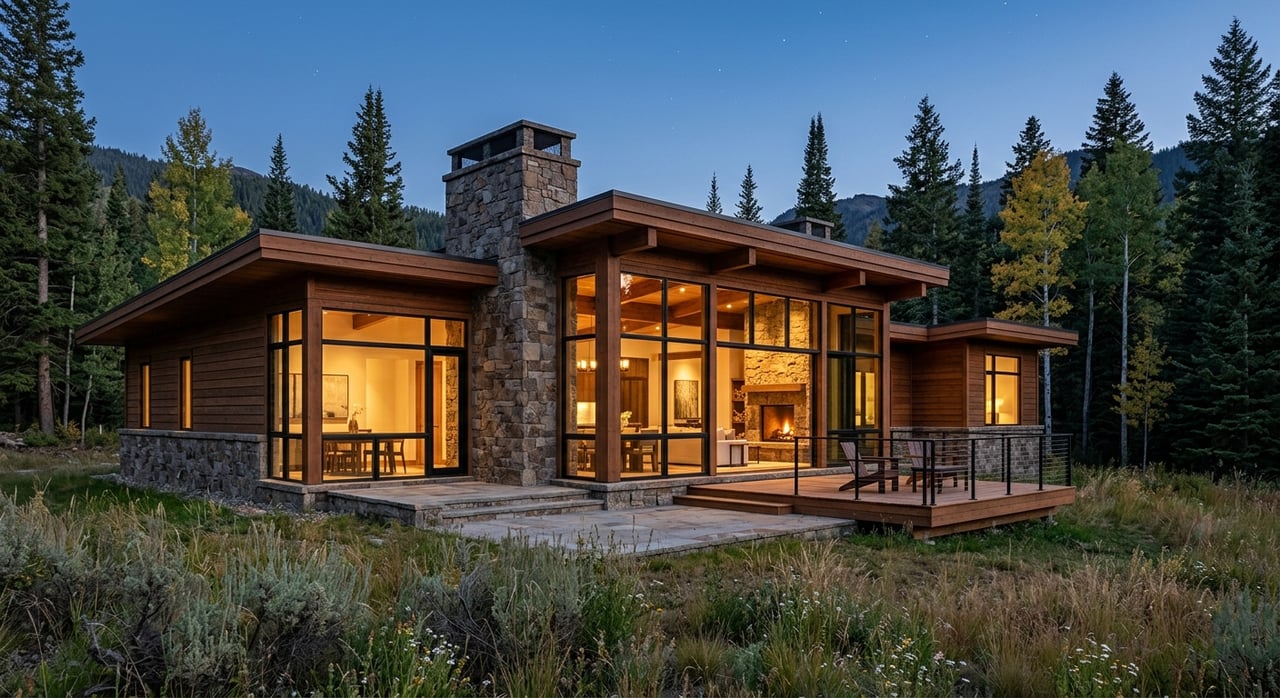
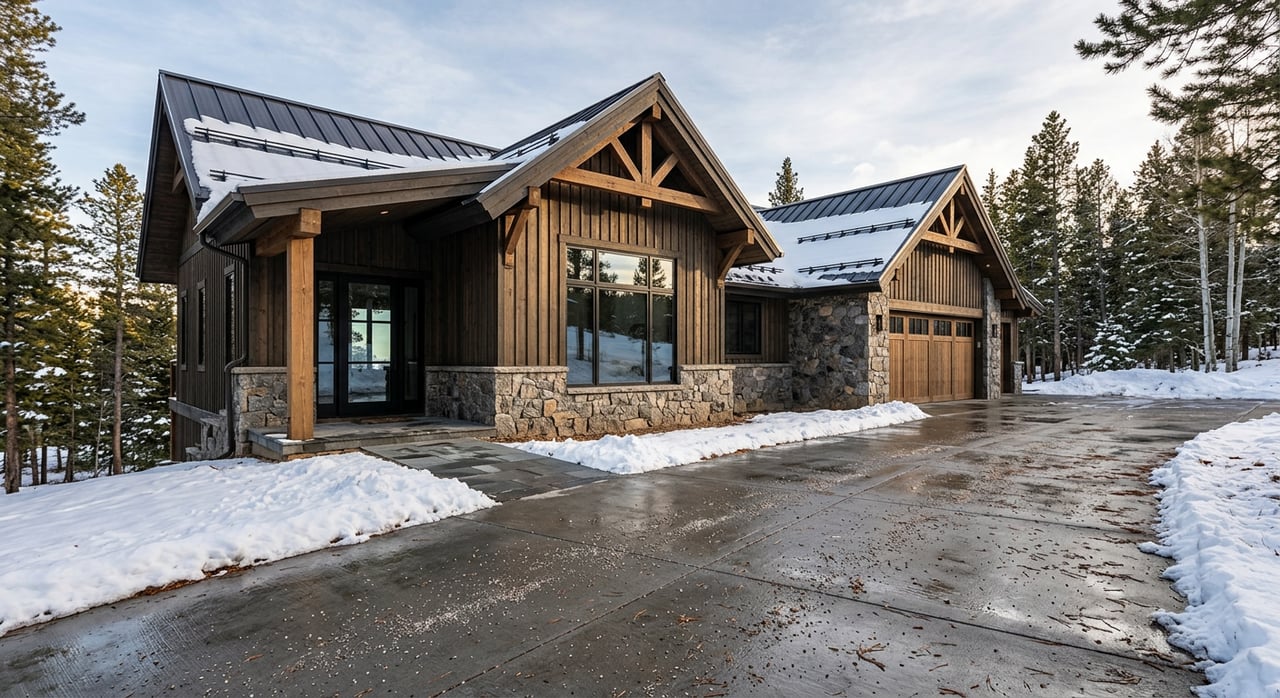
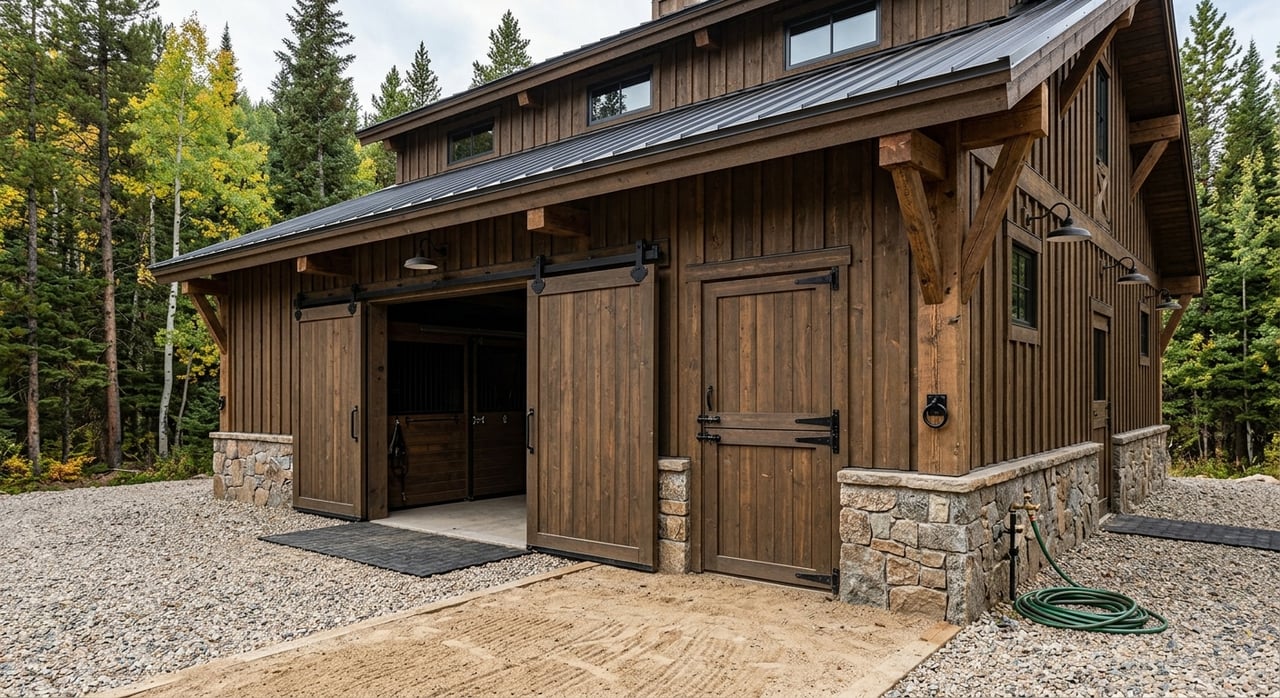
In South Wilson, estate living is less about formality and more about how a property sits within the landscape. Larger parcels and lower-density development can create a more private residential rhythm, with room for views, outdoor living, and a stronger sense of separation from busier commercial areas. It is a setting that often appeals to buyers who want a Western home base with a calm, grounded feel.
At the same time, South Wilson is not cut off from everyday needs. County planning describes Wilson as a small complete neighborhood with parks, a community center, an elementary school, childcare, a general store, a hardware store, offices, medical services, restaurants, and bars within walking distance in the core. That combination gives you the feeling of rural living with practical conveniences still close by.
South Wilson is not identified by the county as a formal equestrian district, but the area clearly supports an equestrian lifestyle. The larger-lot pattern, nearby horse access, and visible horse culture around Wilson all help explain why buyers often see this area as a natural fit for horse-oriented living. In other words, the appeal comes from the setting and access, not from a separate zoning label.
One sign of that culture is Owen Bircher Park in Wilson, which includes a horse arena used by local ropers, barrel racers, and other equestrians. That kind of everyday horse activity close to town reinforces that equestrian life here is part of the broader community fabric. For buyers, it adds context to what living in South Wilson can feel like beyond the property line.
A major part of South Wilson’s appeal is how quickly you can connect to public land and trail systems. Trail Creek Trailhead, at the base of Teton Pass just outside Wilson, is a key access point for horse owners. According to the Forest Service, it is the main access to Old Pass Road and also reaches the History Trail, which is designated for horse and hike use only, as well as the multi-use Black Canyon Trail and Big Rocks Trail.
The trailhead can also accommodate trailers, which matters if you are planning regular rides rather than occasional outings. That kind of practical access is a real advantage for buyers who want public riding opportunities within minutes of home. It supports a lifestyle that feels active and connected without requiring a remote backcountry location.
Other nearby trails reinforce that horse-friendly character. The South Fork of Fall Creek Trail is open to hikers, equestrians, and mountain bikes, and the Forest Service lists horseback riding and horse camping among the recreation opportunities there. Phillips Pass Trail is designated for horse and hike use only, while Wilson Canyon Trail is open to hikers, equestrians, and mountain bikes, with a seasonal wildlife closure from December 1 to May 1.
One of the most appealing things about South Wilson is that the landscape comes first. County materials suggest that development in this area is shaped by wildlife permeability, riparian habitat, and other conservation priorities. That creates a setting where open space is not just a visual perk, but part of the area’s identity.
For you, that means estate or horse-property living here comes with a stewardship mindset. Features such as siting, fencing, and the relationship between homes and the surrounding land matter in a place like this. The result is a lifestyle that feels spacious and authentic, while still tied to the conservation character of the valley.
If you are deciding between different Jackson Hole micro-markets, South Wilson stands apart in a meaningful way. The Wilson commercial core is planned as a vibrant, mixed-use, pedestrian-oriented center, while South Wilson sits beyond that hub as the quieter, more residential side of the district. That distinction matters if you want access to Wilson without living in its most active area.
The contrast is even clearer when you compare South Wilson with the Town of Jackson and Teton Village. County planning describes the Town Square as the historic center and central gathering space for residents and visitors, while the Town Commercial Core functions as the county’s economic hub with significant commercial activity, employment, and lodging. Teton Village, meanwhile, is organized around the resort and has a higher-intensity core shaped by lodging and visitor-oriented uses.
South Wilson offers a different proposition. Instead of a pedestrian-heavy downtown feel or a resort-centered environment, it leans into land, privacy, and a more rural estate character. For buyers seeking room to spread out and a home base that feels distinctly residential, that difference can be the deciding factor.
South Wilson is compelling precisely because it balances access with restraint. You can be close to Wilson’s services and near major trailheads, but you are also in an area where natural systems and seasonal trail management shape daily life. That is part of the value, but it is also important to understand as you search.
For equestrian-minded buyers, nearby trail systems are a major advantage, but they are shared-use in many cases and some include seasonal closures. The Forest Service also notes that equestrians have the right of way on Teton Pass area trails, which speaks to the area’s horse-friendly culture. Still, the experience is active and shared, not entirely private or exclusive.
It is also worth remembering that South Wilson’s horse-property appeal is an inference from lot patterns, open space, and nearby access, not a formal county designation. That is why property-level due diligence matters. If your goal is room for horses, privacy, and direct alignment with the surrounding landscape, South Wilson can be a strong fit, but each parcel deserves careful review.
For many buyers, South Wilson captures a version of Jackson Hole that feels both elevated and grounded. You get the visual drama of the valley, the practical benefit of proximity to Wilson, and the possibility of a property that supports a land-based lifestyle. That combination is difficult to replicate in more commercially active or resort-oriented locations.
This is especially true if you are looking for a home that supports how you want to live day to day. Maybe that means space and privacy first. Maybe it means horse access, a quieter setting, or simply the chance to come home to a part of the valley where open land still defines the experience.
If you are considering an estate property or exploring the equestrian side of Wilson, South Wilson is worth viewing through a local lens. The details that shape value here are not only about square footage or finishes, but also about siting, access, conservation context, and how a property fits into the landscape. If you want help evaluating that balance, connect with Meredith Landino for thoughtful, locally grounded guidance.
Stay up to date on the latest real estate trends.